Customer Challenges
- A major Central North Sea decommissioning programme encompasses 38 wells, comprising 25 producers, seven injectors and six exploration/appraisal wells
- At campaign start, 28 wells had subsea trees installed, comprising eight HXT and 20 VXT wells, with differing structural integrity, fatigue and intervention challenges
- The operator required a coordinated approach to well access, fluids handling and barrier assurance across a diverse and ageing subsea well inventory
Expro Excellence
Well Access & Intervention
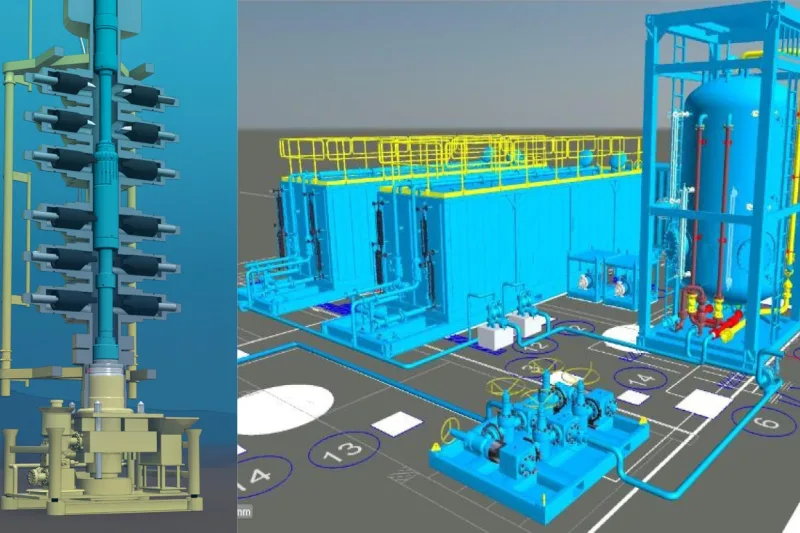
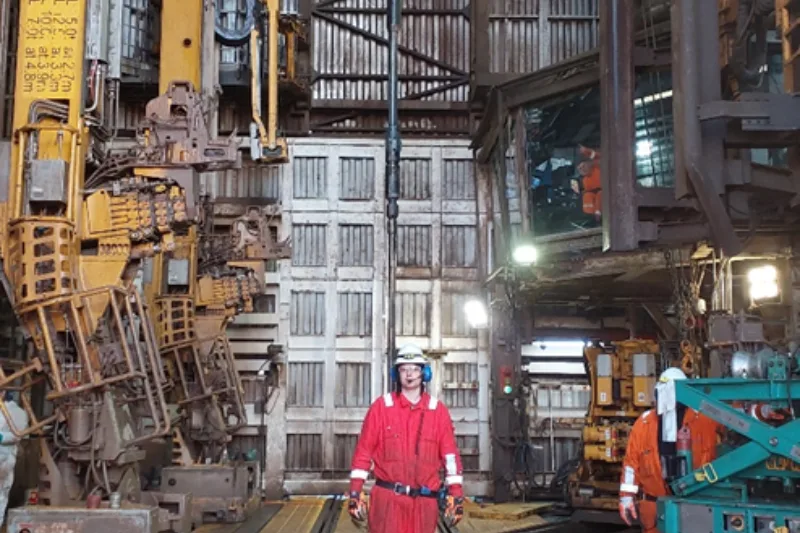
- Expro’s Subsea Test Tree Assembly provided the primary well barriers and disconnect capability required for decommissioning operations through the rig BOP, supporting successful execution across the HXT well population
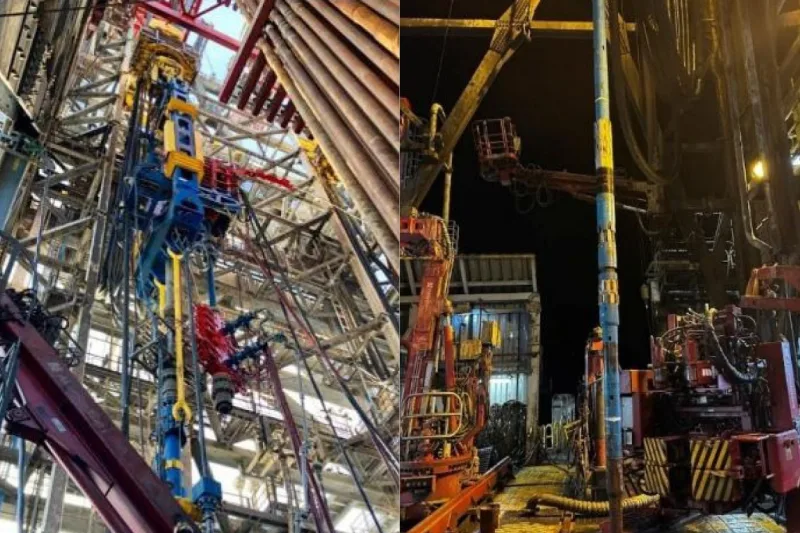
- For the more challenging VXT population, Expro collaborated with the operator to develop and qualify an OWIRS methodology, combining structural and fatigue assessment, planned tethering and bore selector technology to address ageing infrastructure and loading constraints
Fluids Handling
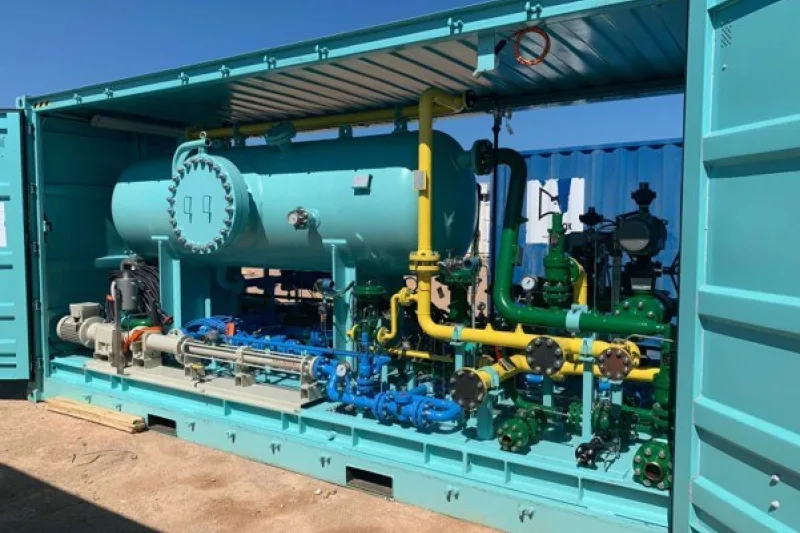
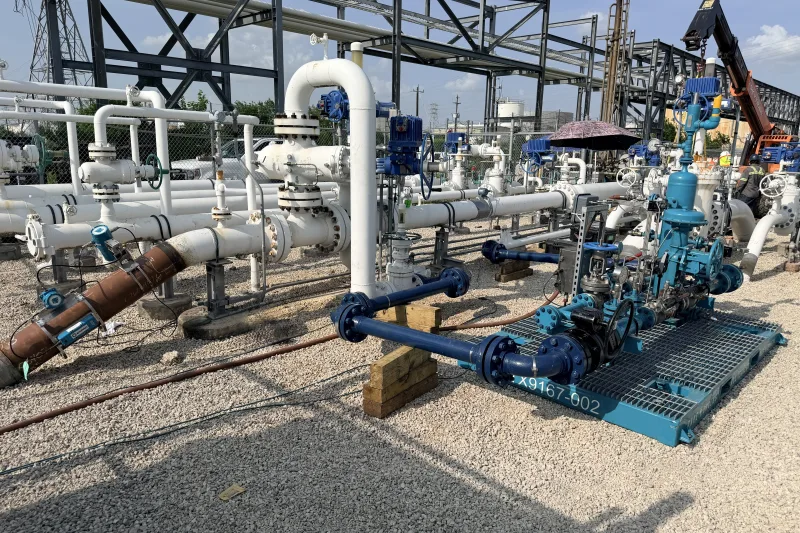
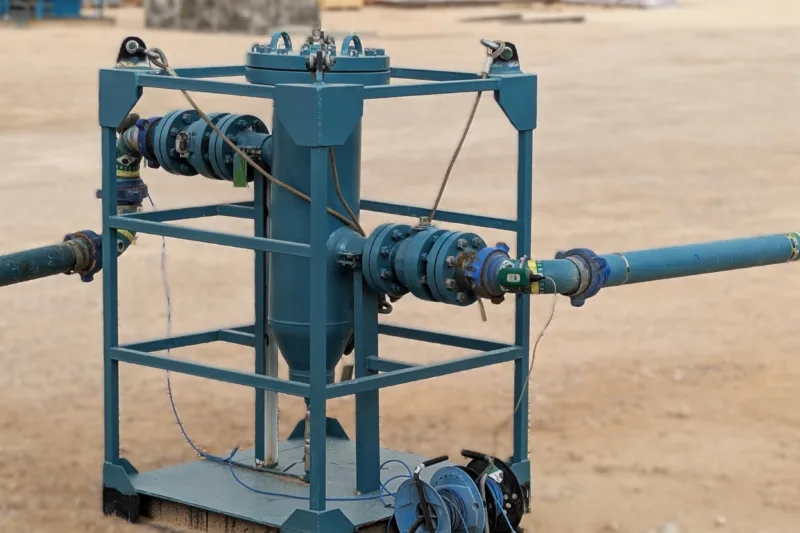
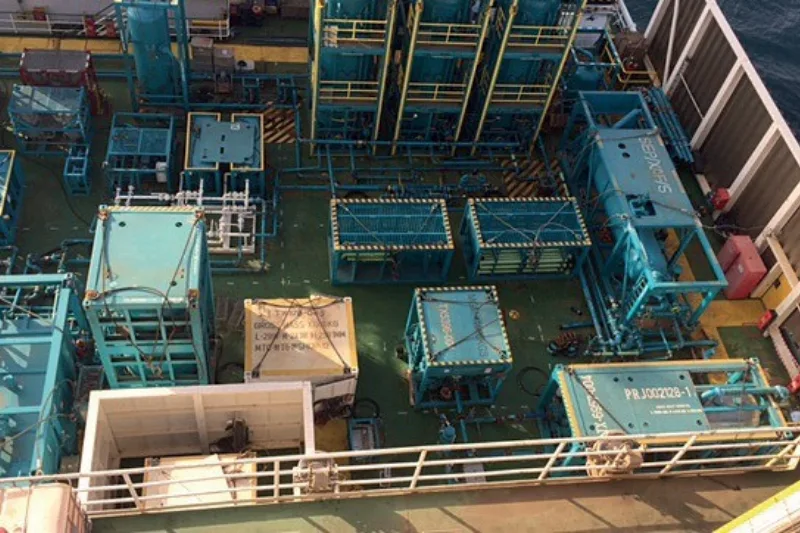
- Expro’s Well Test bleed-off package provided controlled handling of well fluids supporting safe decommissioning operations
Barrier Assurance
- Expro barrier assurance technologies supported perforate-and-circulate, bridge plug and packer operations, with integrated CX-2, RTP and Gator configurations enabling one-trip perforate, circulate and barrier-placement operations
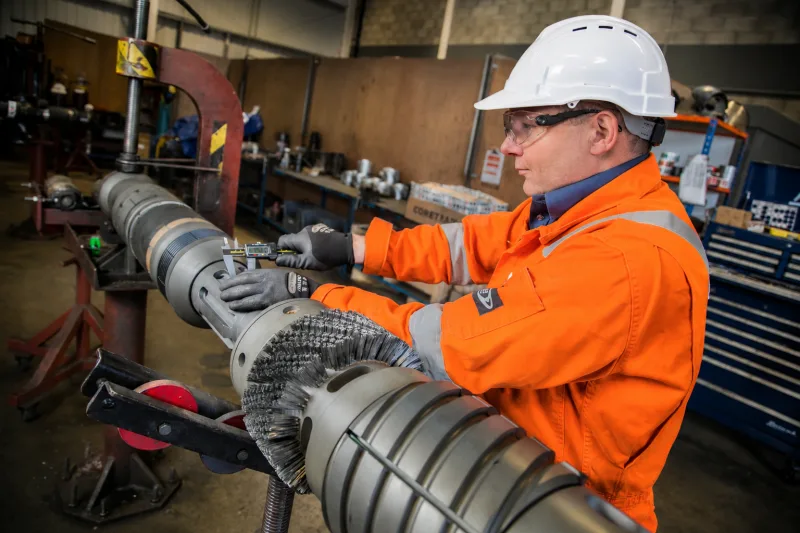
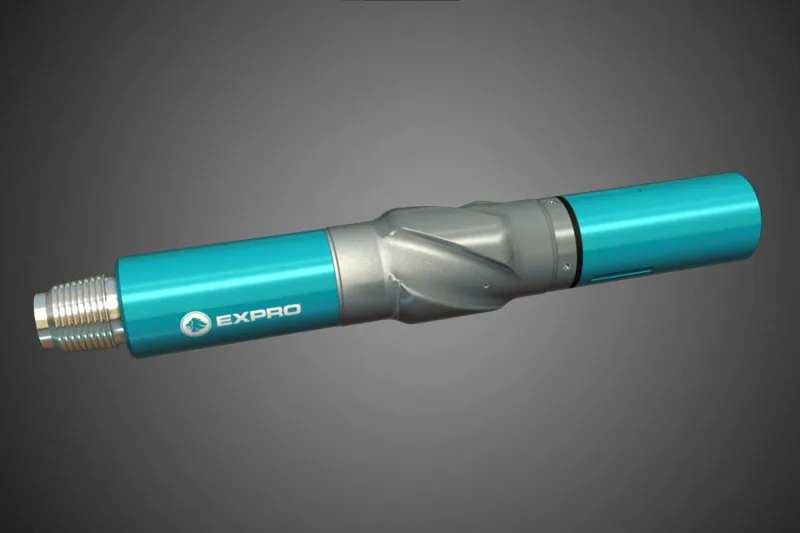
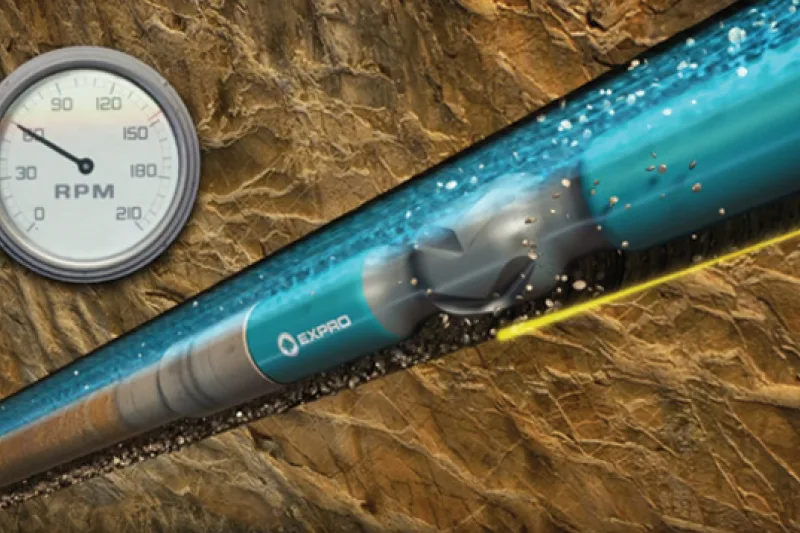
- Lessons learned from previous decommissioning campaigns were incorporated into execution, including adoption of Expro’s Drop Drift Cleaner into the operator’s methodology to improve operational efficiency
Value to Client
- Nine wells successfully progressed to AB2 status, including all eight HXT wells within the delivered campaign phase
- Expro maintained intervention system integrity with no loss of containment associated with the intervention systems deployed to date
- Integrated Expro capabilities supported safe execution across an ageing and technically diverse subsea well population
- Campaign experience is informing development and qualification of the methodology for the more technically challenging VXT population