Customer Challenges
- Expro were recently approached by our customer, Brunei Shell Petroleum (BSP) to support in designing a 2 well clean-up campaign – with zero flaring of hydrocarbons, as part of a greater objective of reducing Green House Gas emissions during well operations
Primary objectives of the project were to:
- Unload both wells via a temporary well test package, prior to permanent commissioning of the wells
- Flow the wells at a sufficiently high, solids-free rate to clean them before handing-over to production
- Record the initial gas and liquid rates for reservoir/production modelling
- Avoid the conventional practice of wastefully combusting hydrocarbons at the wellsite during the operations
Expro Excellence
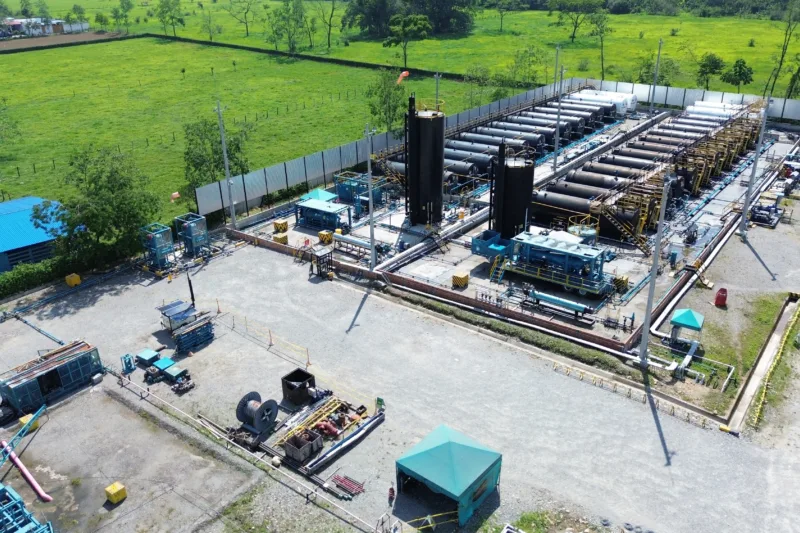
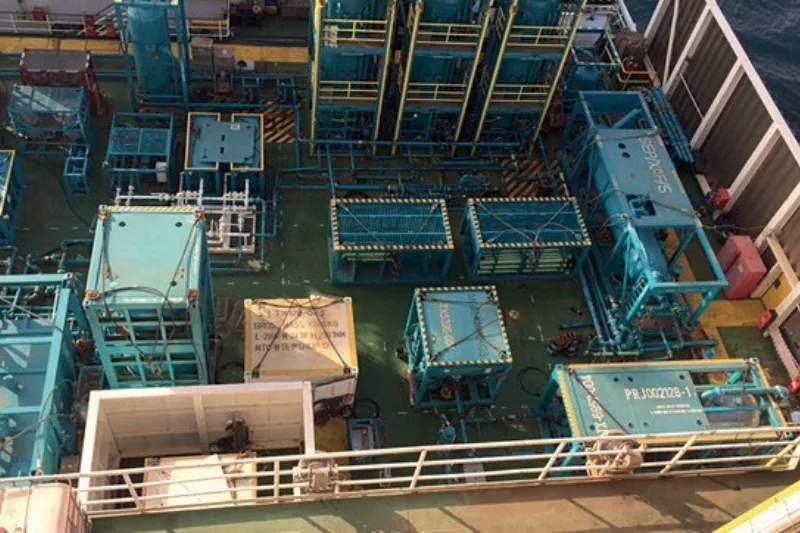
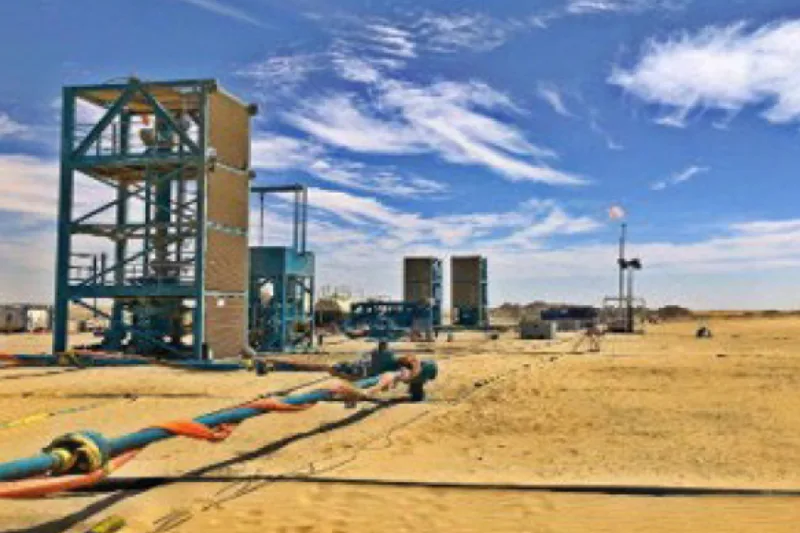
- To achieve zero flaring, Expro were able to design a well test process between the platform jacket and rig which:
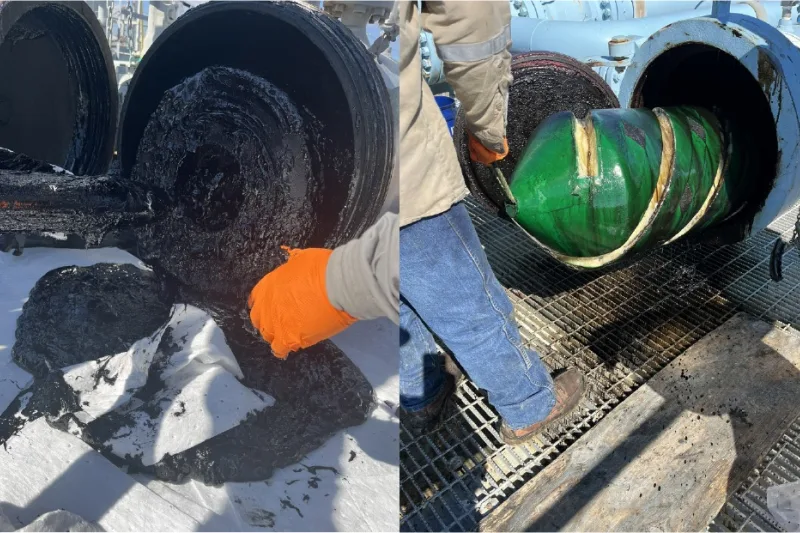
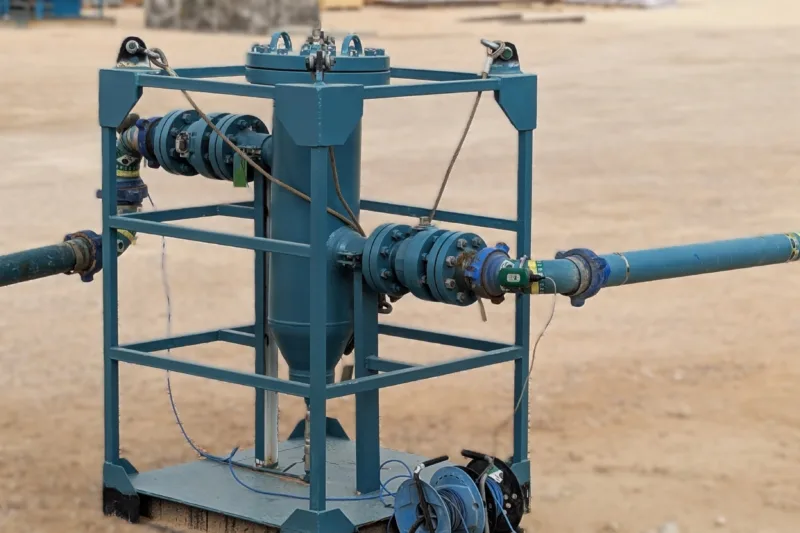
- Captured all produced solids from the well, protecting sensitive downstream equipment
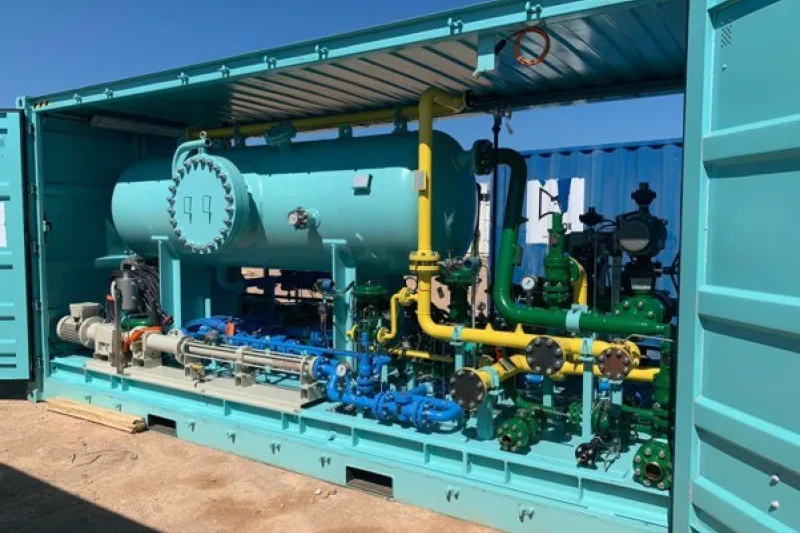
- Directed flow through a well test separator; removing all liquids from the gas, which was subsequently produced into the platform header
- Diverted the captured liquids to a surge tank for additional de-gassing; then sending these ‘dead’ liquids to a ‘tank farm’ consisting of 4 x 20,000L ISO Tanks, and subsequently transported them back to shore-base for safe disposal
- Interfaced the well test Emergency Shut-Down (ESD) system with the Production Platform Shut-Down (PSD) system - for unified safety process control
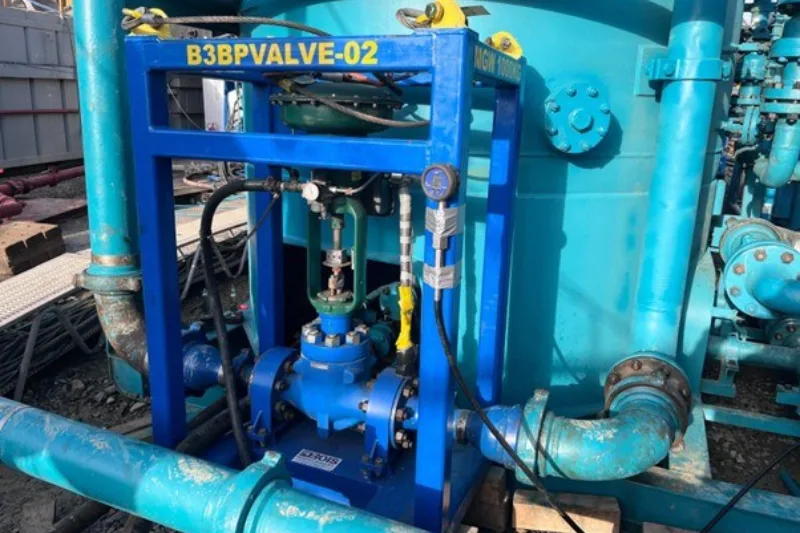
- Included the design of a ‘Separator blow-down system’ – to allow the Well Test package to be depressurized manually or automatically- in case of fire
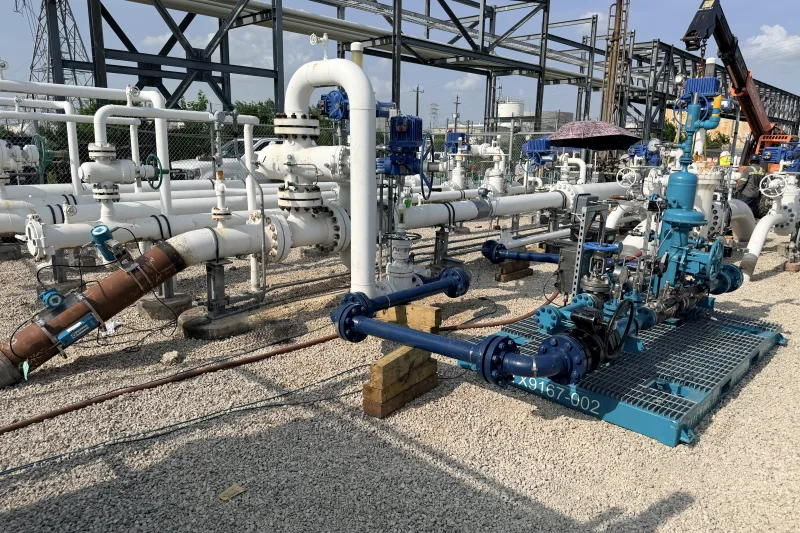
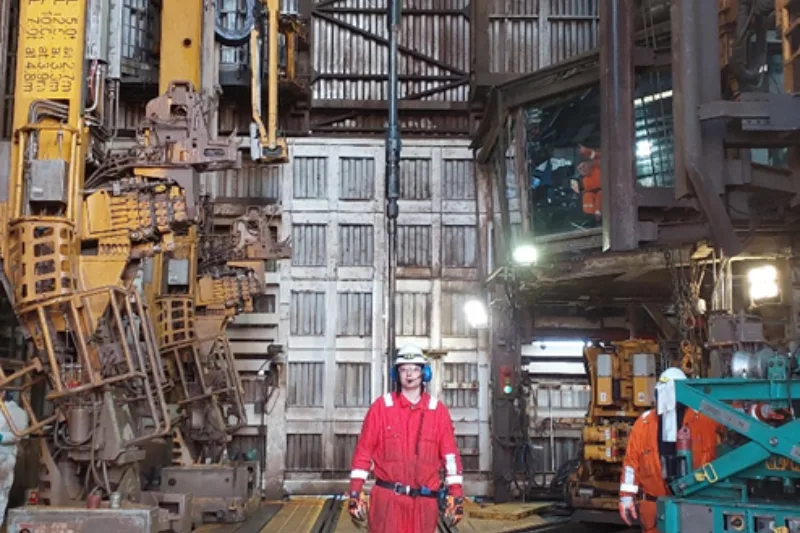
- Coflex hoses were installed between the rig and platform jacket to accept production from the well to the well test package. An additional hose returned separated gas to a production header on the jacket
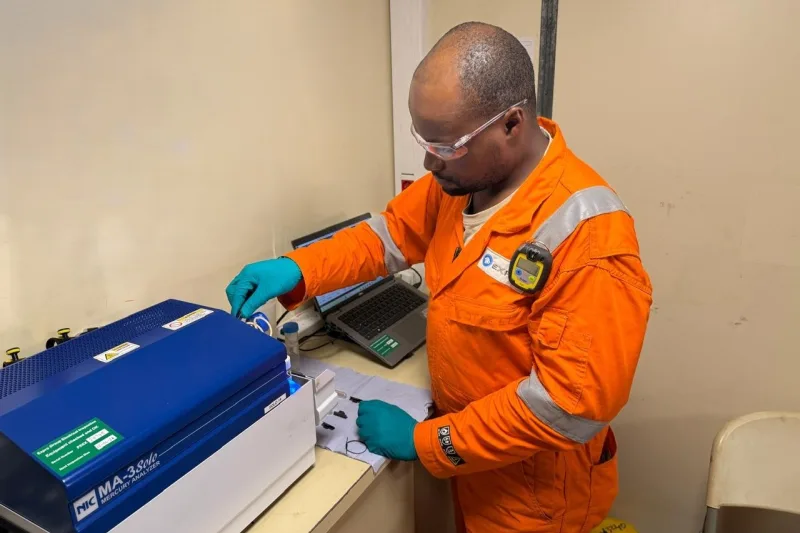
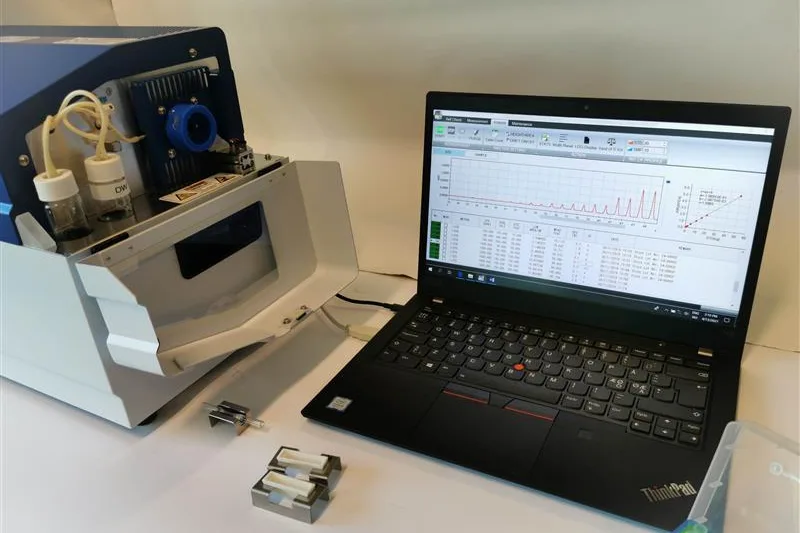
- All Well Test data was collected and logged with Expro’s versatile EDGE data acquisition platform and transmitted in real-time using our web-based Data to Desk system
Value to Client
- Installation of the well test equipment was conducted almost entirely ‘off-line’, with minimal impact to ‘critical path’ activity
- Well testing clean-up operations were able to commence only six hours after well completion operations had concluded
- Both wells were successfully unloaded without HSE incident or any non-productive time (NPT)
- The wells were completely cleaned of completion fluids and solids, allowing them to be immediately brought online for production
- The client expressed appreciation for the data quality and speed, received with real-time transmission via Data to Desk
- The overall efficiency achieved for the customer was an estimated avoidance of 3,731 Tonnes of CO2 e emissions during well clean-up operations on the two wells
Contact
For further information, please contact WFM@expro.com.