Customer Challenges
- Government regulatory authorities impose strict limits on annular pressures, with the potential to require shutdown of high rate gas lift oil producers until the source of B annulus pressure is identified and eliminated. For operators, this creates a risk of significant production deferment and operational disruption
- In this case, although the B annulus pressure was relatively high, it bled off rapidly with minimal influx, significantly narrowing the diagnostic window. The customer required a solution capable of monitoring the full length of the wellbore within a limited bleed off timeframe, while providing sufficient resolution to confidently distinguish between gas migration, casing leaks, and annular communication
Expro Excellence
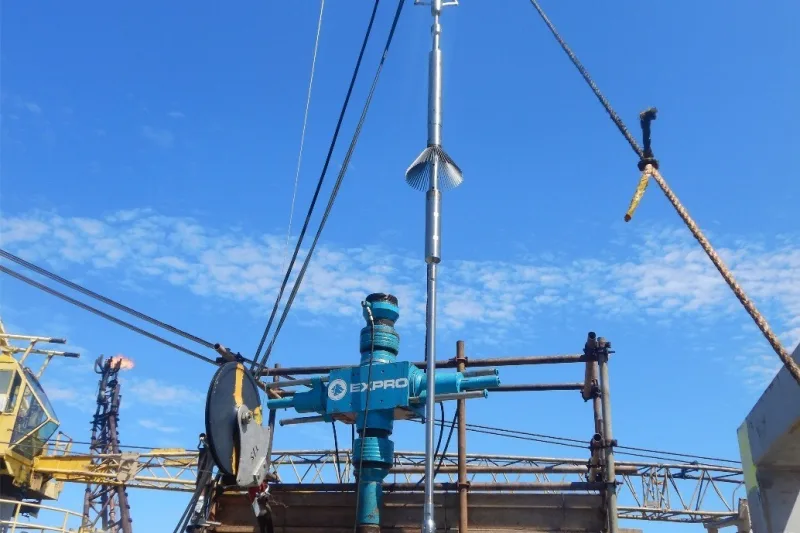
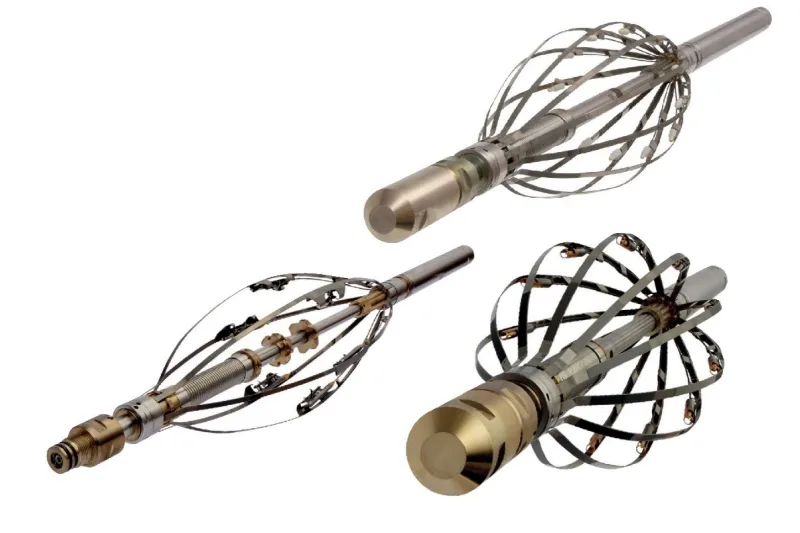
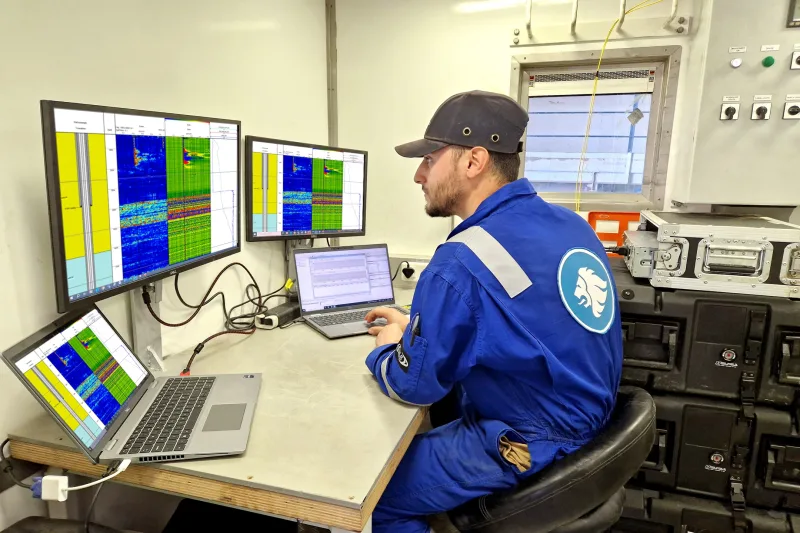
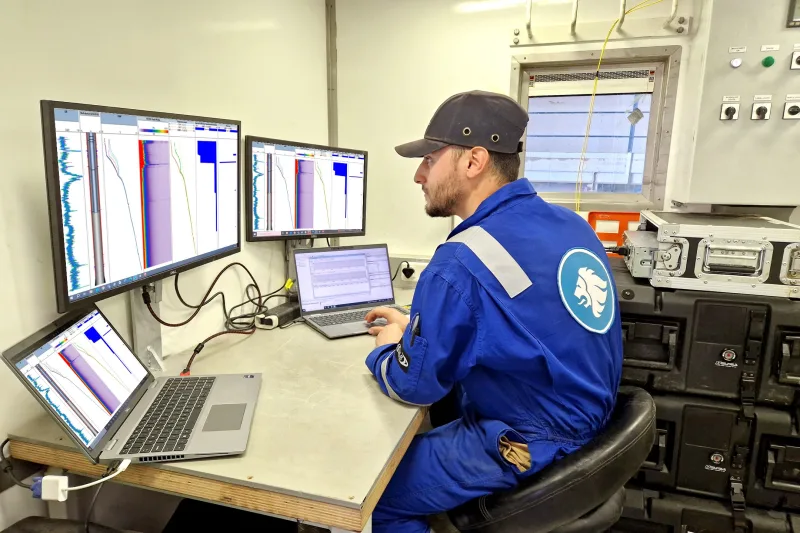
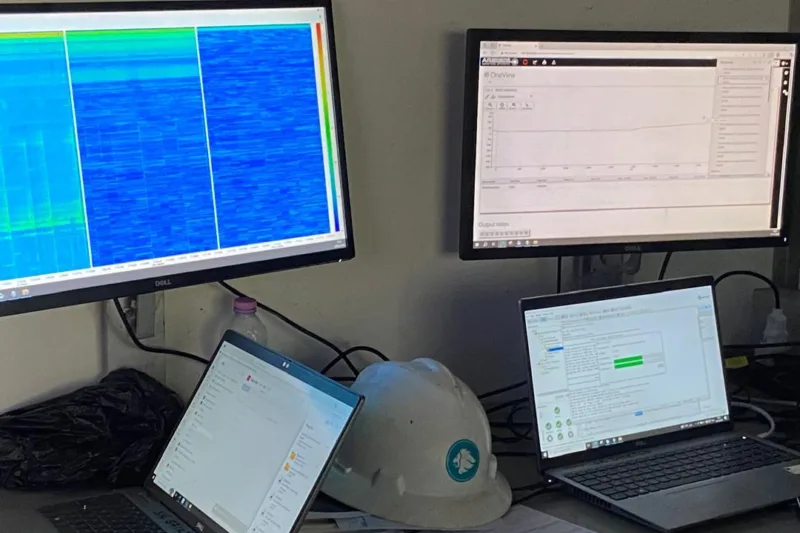
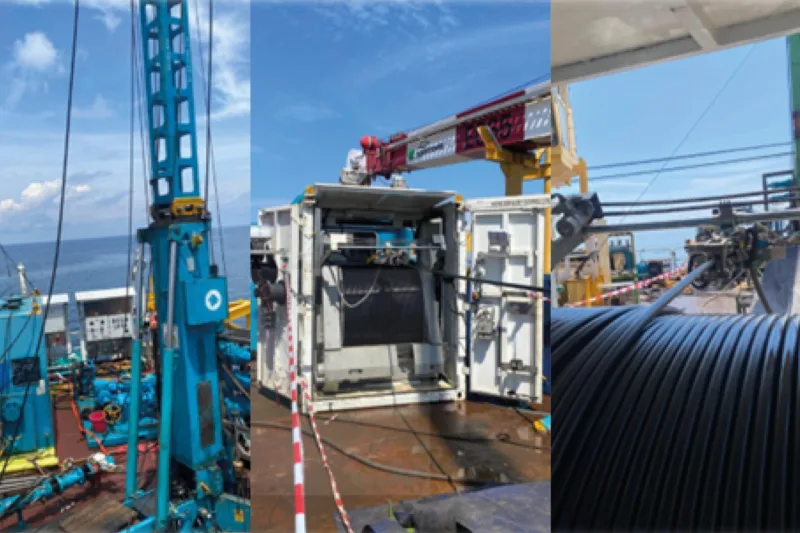
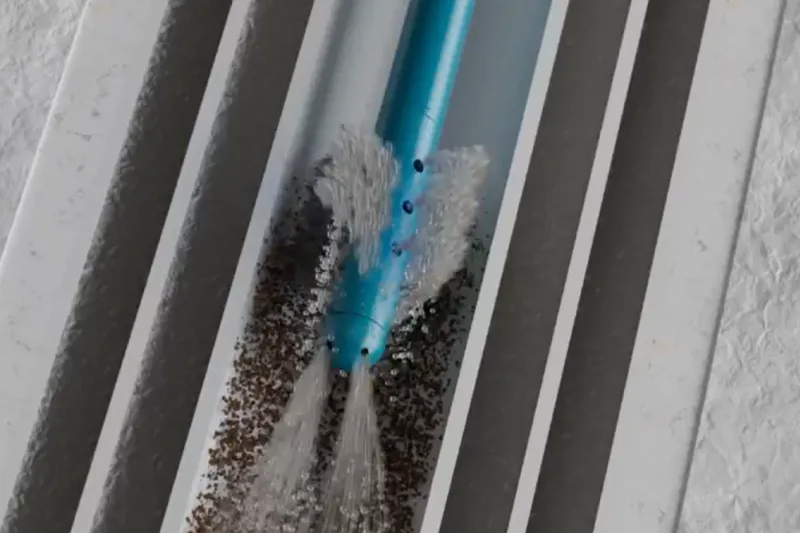
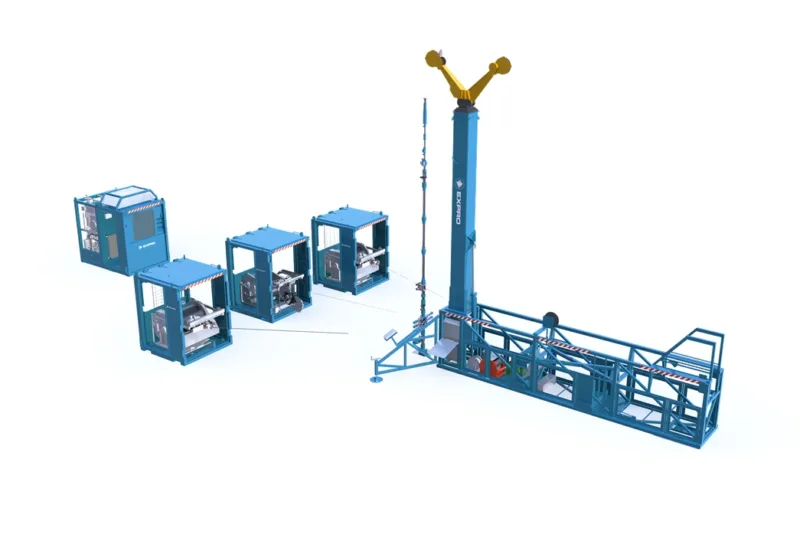
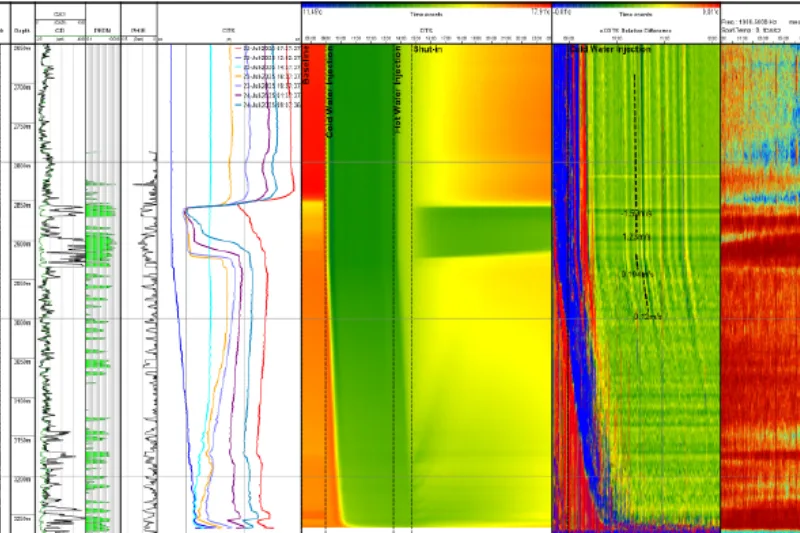
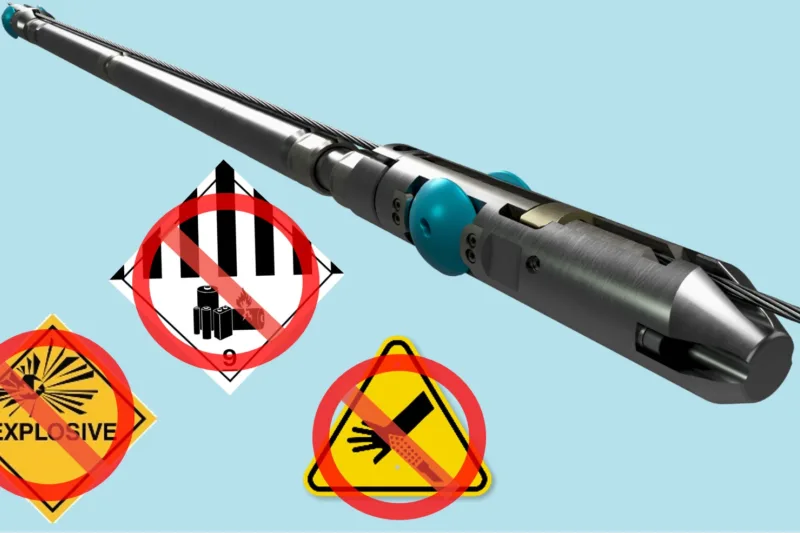
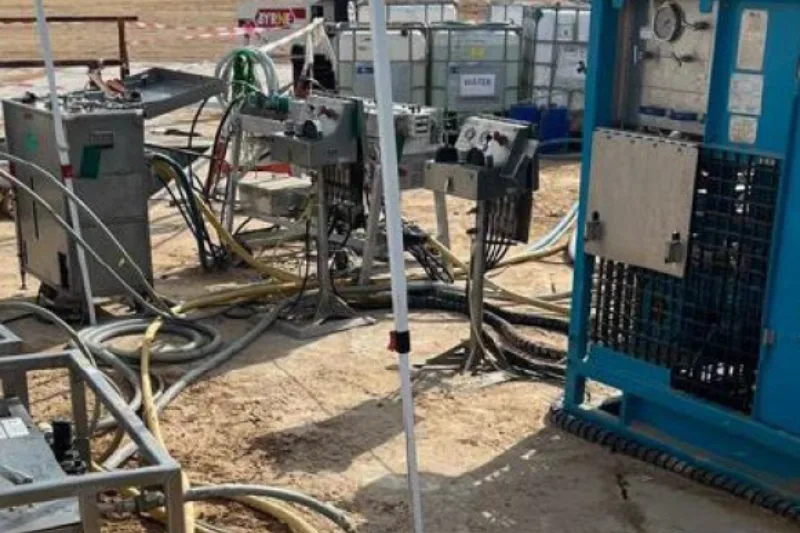
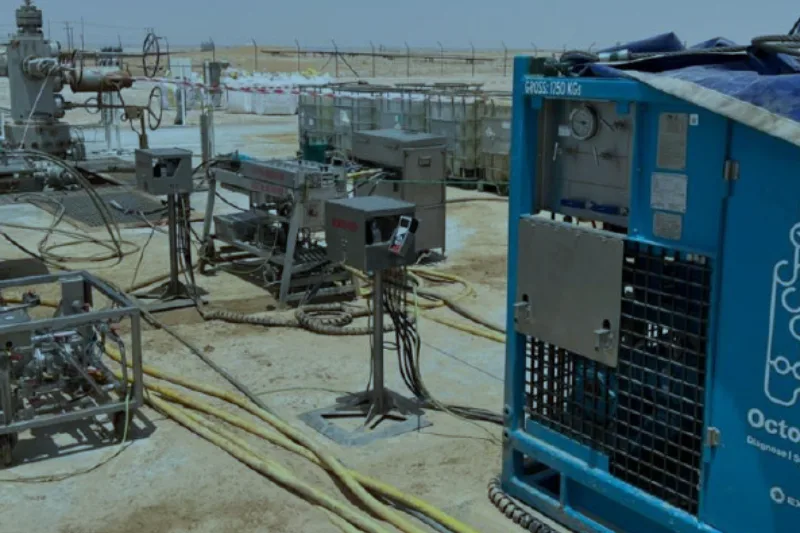
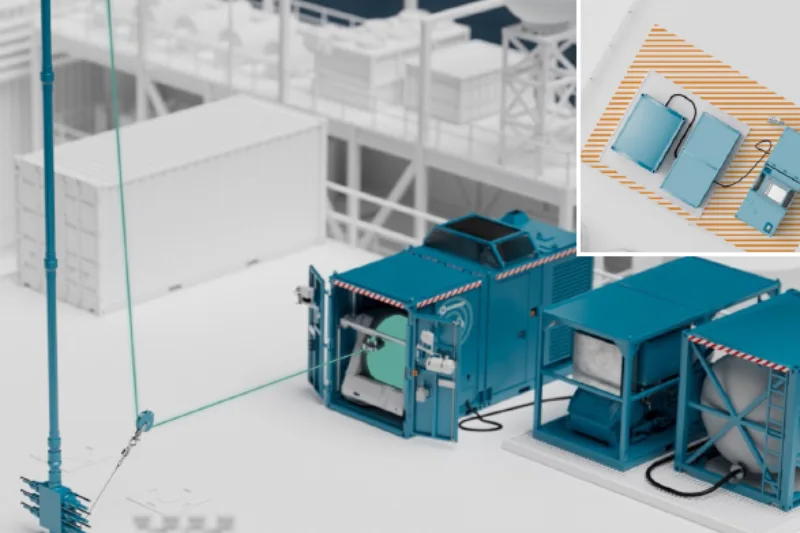
- Expro deployed its Distributed Fiber Optic Sensing (DFOS) solution to deliver Distributed Temperature Sensing (DTS) and Distributed Acoustic Sensing (DAS) data across the entire wellbore-from surface to the HUD
- The survey data was acquired in a single six hour daylight operation, comprising:
- One hour of baseline acquisition
- Three hours during B annulus bleed off
- Two hours under shut in conditions
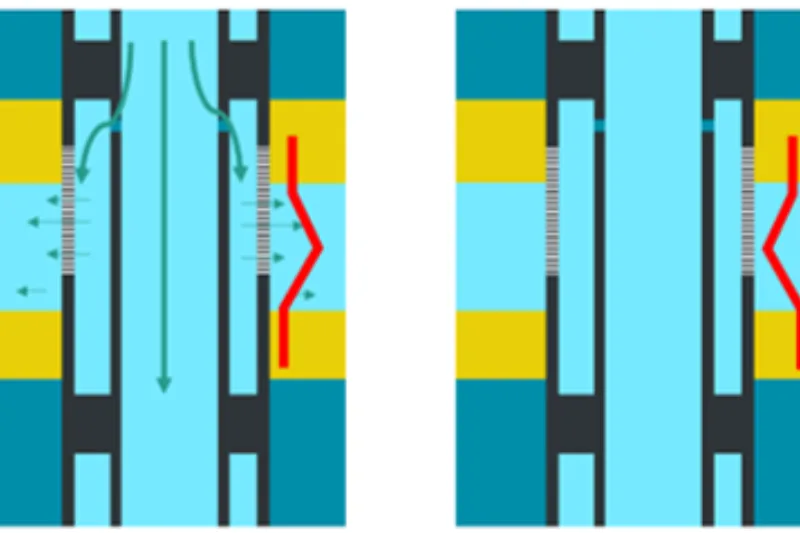
- During the bleed off phase, DFOS data clearly captured flow behaviour within the B annulus. Initial brine influx was observed, followed by gas entry after 15 minutes. After 30 minutes, brine influx ceased and only gas flow remained. Over the next two hours, the gas flow progressively weakened, exhibiting a distinctive “candle flame like” behavior, indicative of limited gas volume rather than an active gas source
- No pressure build up was detected following A2 annulus shut in. Pressure stabilized after a minimal increase, confirming the absence of sustained communication or recharge
- This high resolution, full length wellbore visibility provided definitive confirmation of the pressure source within a single operation-something not achievable with conventional diagnostic methods
Value to Client
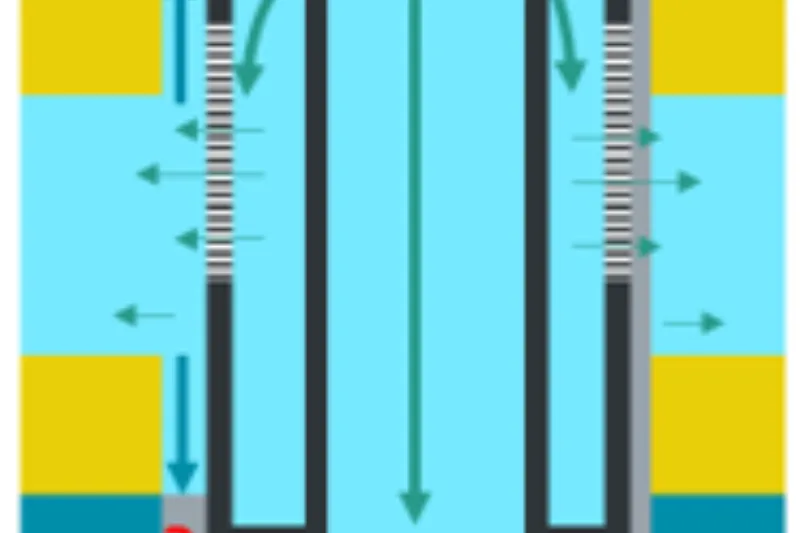
- The DFOS survey identified the source of B annulus pressure as gas migration through a water bearing formation in the middle section of the well, behind the 13⅜ in. casing, entering the B annulus via a shallow casing leak. Communication between the A and B annuli was conclusively ruled out
- Key outcomes included:
- Rapid identification of the true pressure source within one daylight operation
- Avoidance of unnecessary well shutdown or intrusive interventions
- Next day delivery of actionable results, unmatched by other leak detection technologies
- Confirmation that the well was not the original gas source, reducing regulatory and operational risk
- Following the survey, the same water bearing formation was confirmed as the pressure source in a nearby well. Based on these results, the operator expanded investigations across surrounding wells and identified additional candidates for DFOS surveys
Contact
For further information, please contact wellintervention@expro.com.