Customer Challenges
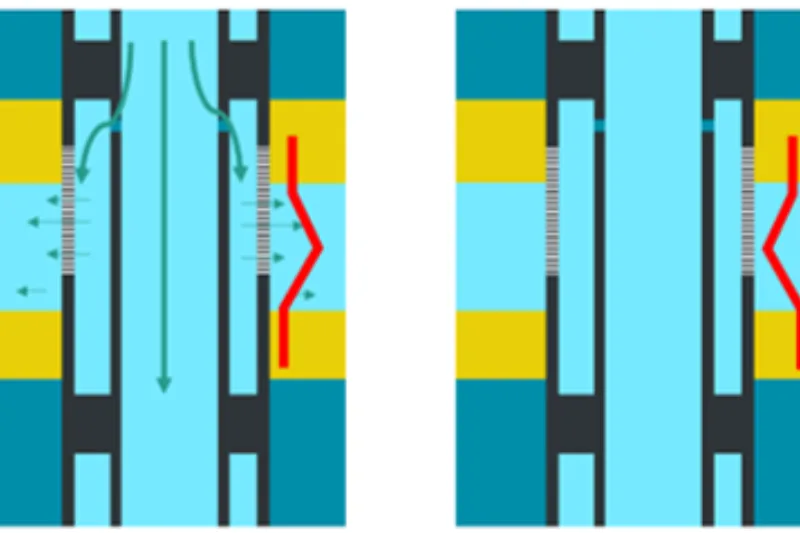
- A multi‑zone water injector was deployed to maintain reservoir pressure and support field‑wide production optimization. The well was completed with multiple Sliding Side Doors (SSDs), all open during injection, requiring effective zonal isolation to ensure proper injection allocation. Hydraulic isolation in this completion relied on tubing‑to‑casing packers and cement bonding behind the casing
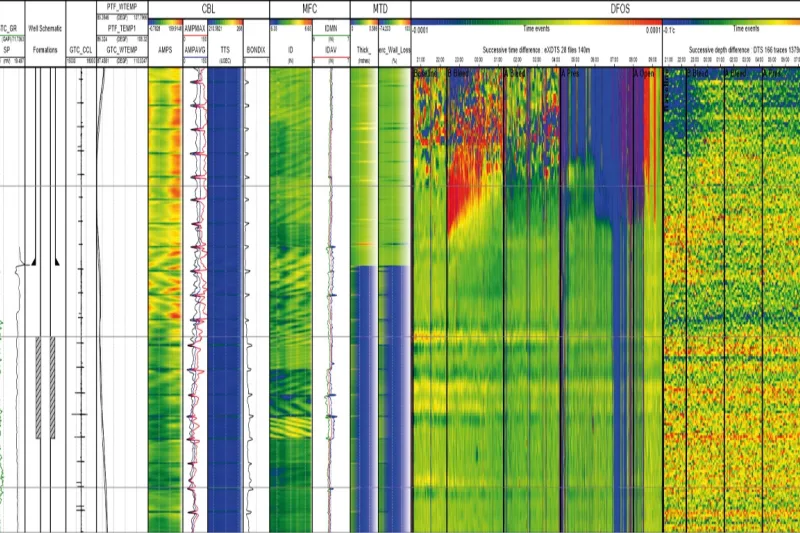
- While packer integrity was confirmed during deployment, cement log (CBL‑VDL) evaluation indicated short fair bonding and potential channeling, resulting in a pessimistic interpretation of zonal isolation. This raised concerns over whether injected water was entering the intended zones or migrating across intervals behind casing
- The objective of this study was to independently confirm the existence of hydraulic zonal isolation during injection, using DFOS to assess behind‑casing flow behavior and thermal response, and to validate that allocated injection was entering the intended zones despite uncertain cement bond quality
Expro Excellence
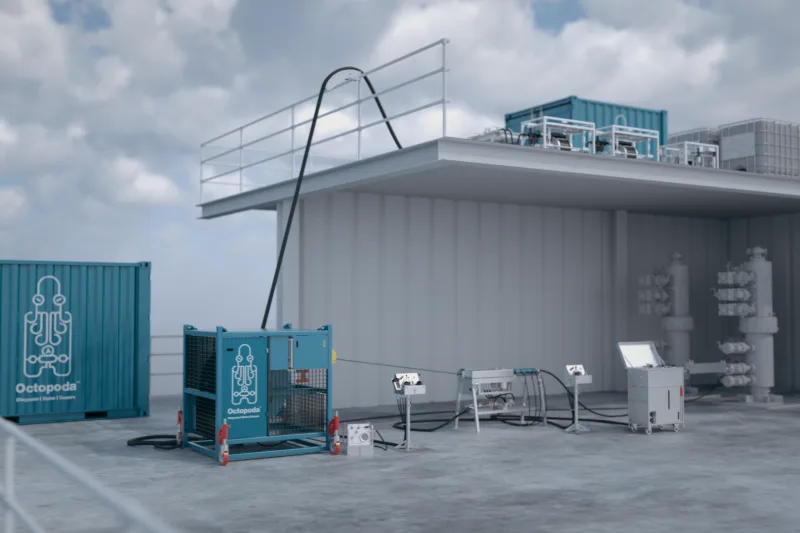
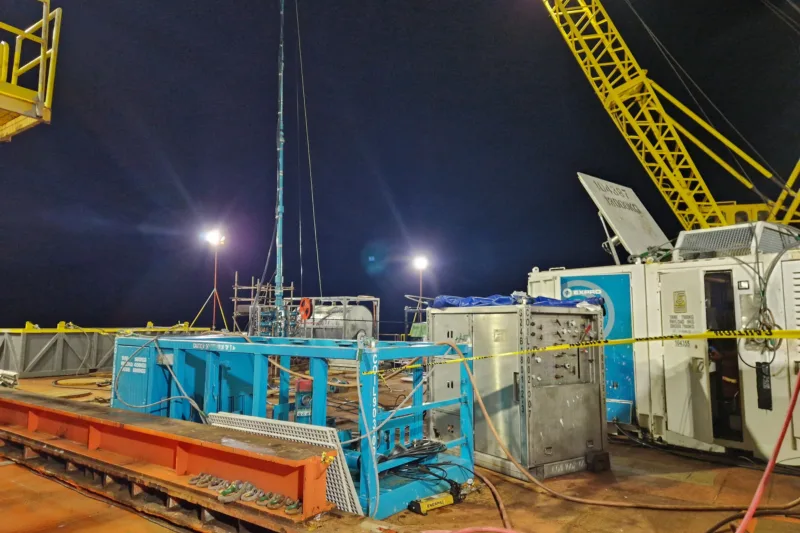
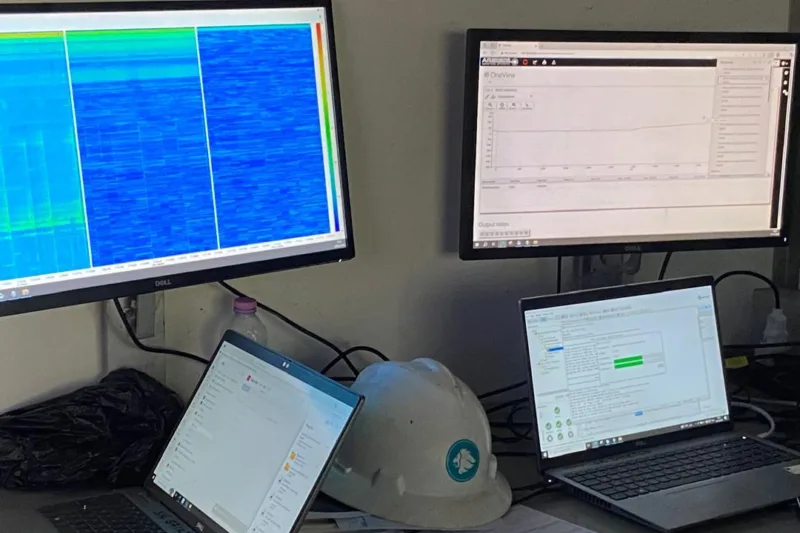
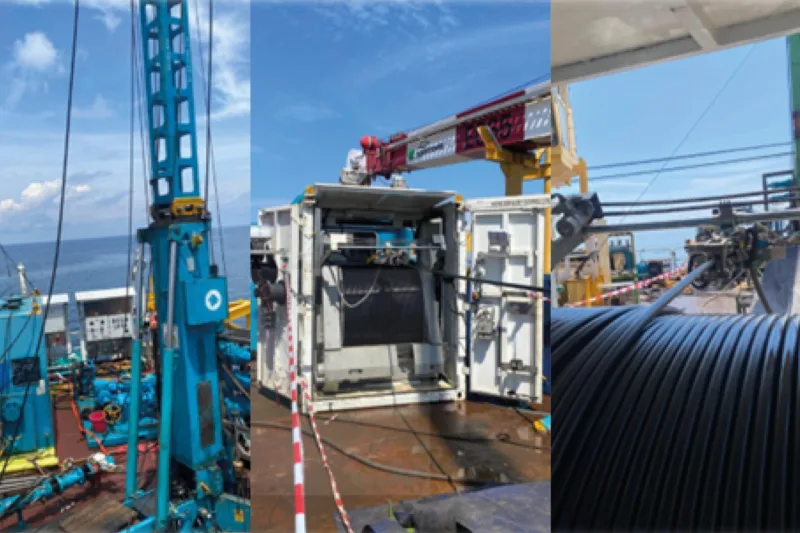
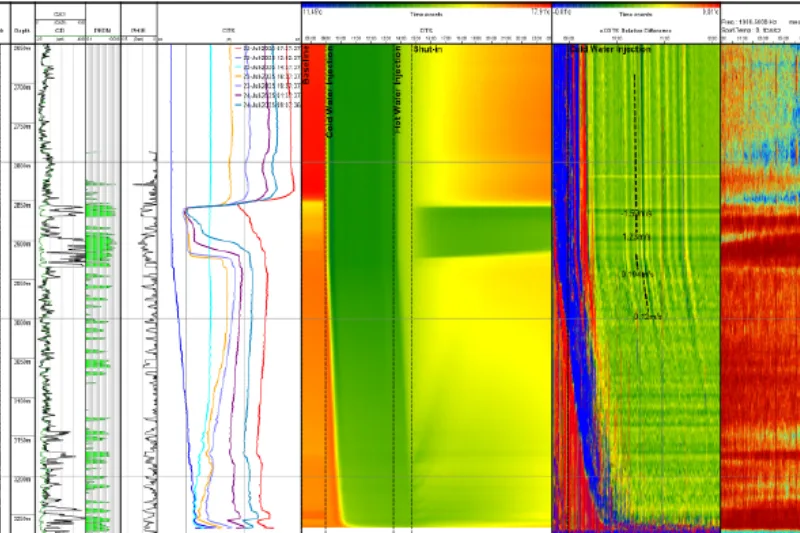
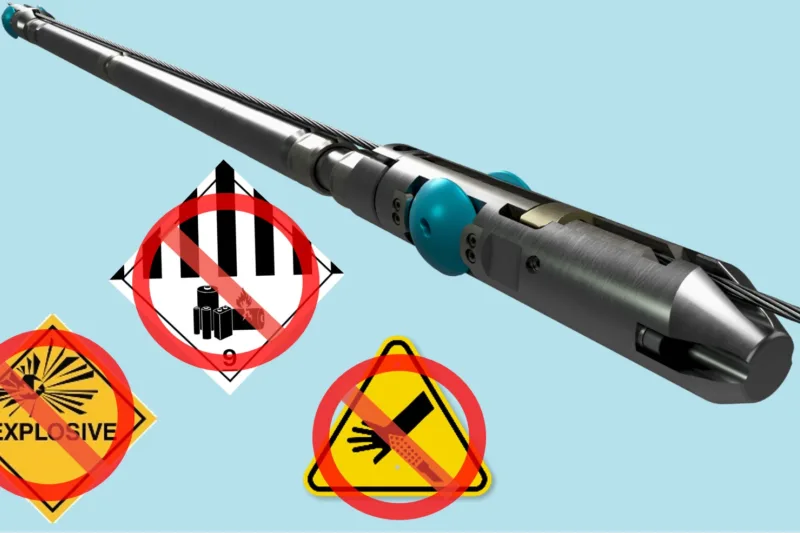
- Expro deployed an integrated DFOS surveillance solution with simultaneous acquisition of DTS and DAS, generating eXDTS data. This configuration provided the high sensitivity required to detect small temperature variations and slow fluid movement, which are critical indicators of hydraulic communication or isolation between zones
- Depth correlation was established using temperature profiles and GR‑CCL measurements, aligning open‑hole GR data to DTS and subsequently to DAS/ eXDTS responses. The acquisition sequence consisted of a baseline, two injection rates separated by shut‑in periods, followed by a dedicated warm‑back DFOS acquisition
- DFOS data captured both dynamic injection behavior and post‑injection thermal stabilization. In cases where hydraulic isolation does not exist, temperature profiles tend to equalize across zones. Conversely, persistent temperature contrasts during injection and warm‑back indicate effective zonal isolation
Value to Client
- Independently confirmed hydraulic zonal isolation using DFOS DTS and eXDTS, despite pessimistic CBL‑VDL interpretation
- Provided direct evidence that injected water remained confined to the intended zones, with no behind‑casing crossflow during injection or warm‑back
- Increased confidence that injection allocation measured by DFOS and PLT was entering the reservoir as designed
- Reduced uncertainty associated with cement log limitations in complex completions
- Avoided unnecessary remediation or intervention driven by conservative cement appraisal
- Enabled more confident injection management and reliable reservoir pressure support planning
Contact
For further information, please contact wellintervention@expro.com.