Customer Challenges
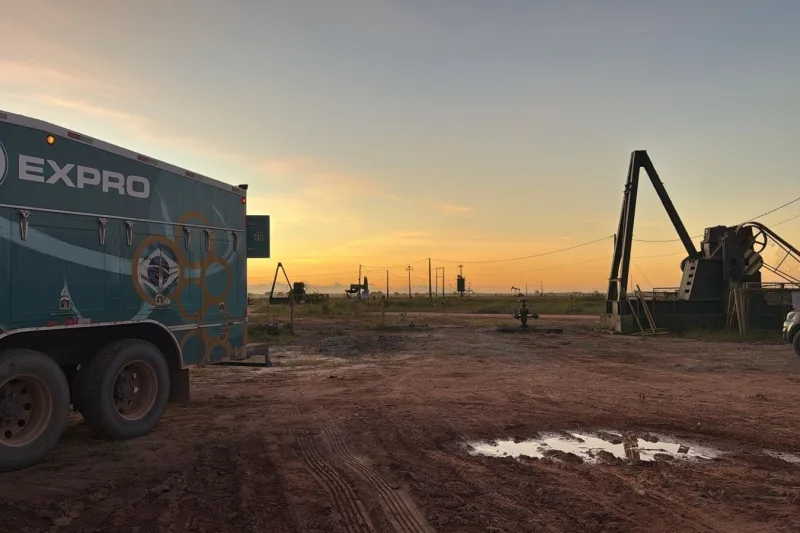
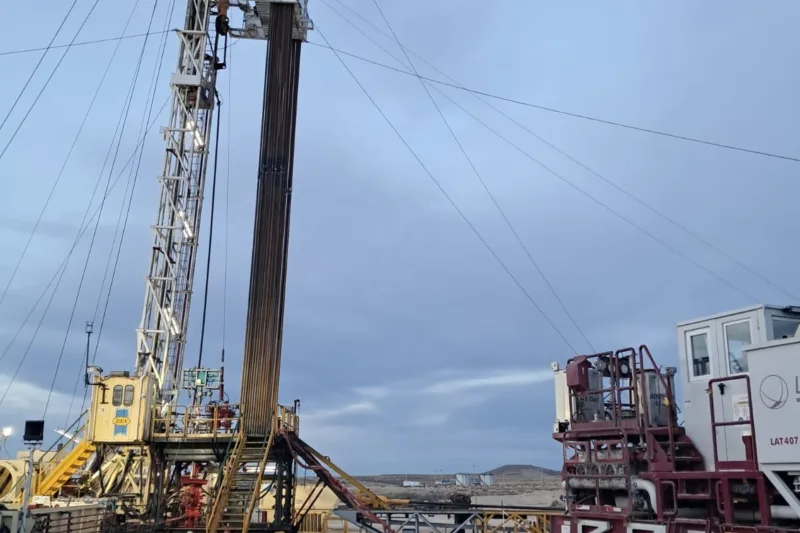
- A mature oil well in the Magdalena Valley, Colombia, experienced operational anomalies including pressure losses, suspected corrosion, casing holes, deformation, and ovalization within the 7-inch production casing. These conditions posed a potential risk to well integrity, production performance, and operational safety
- To accurately diagnose the source of these issues, a comprehensive casing integrity evaluation was required to assess both the internal and external condition of the production casing
- Traditional inspection methods can identify casing damage but often cannot distinguish between internal and external corrosion. The operator required a comprehensive assessment to identify the source of pressure anomalies, quantify corrosion severity, evaluate cement integrity, and provide data-driven recommendations for remediation and asset management
Expro Excellence
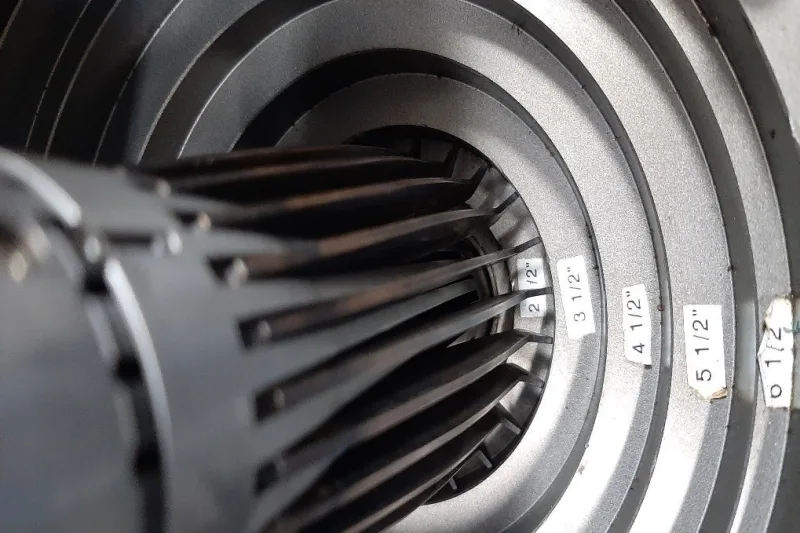
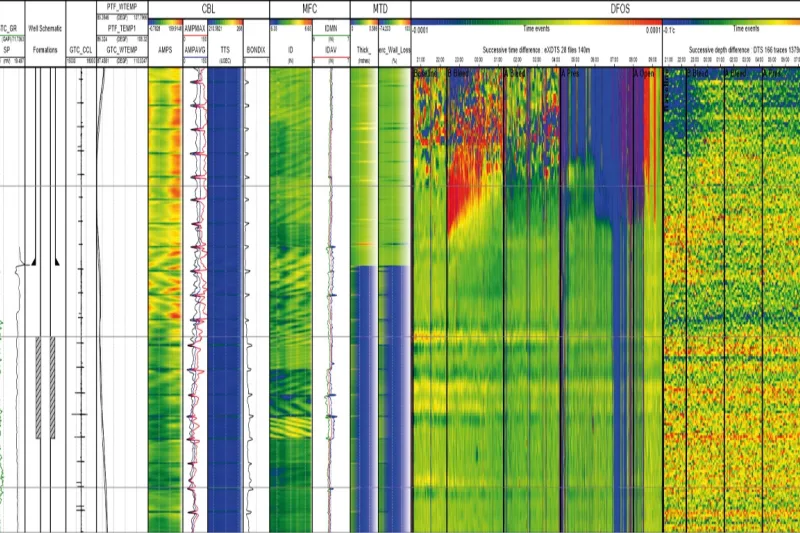
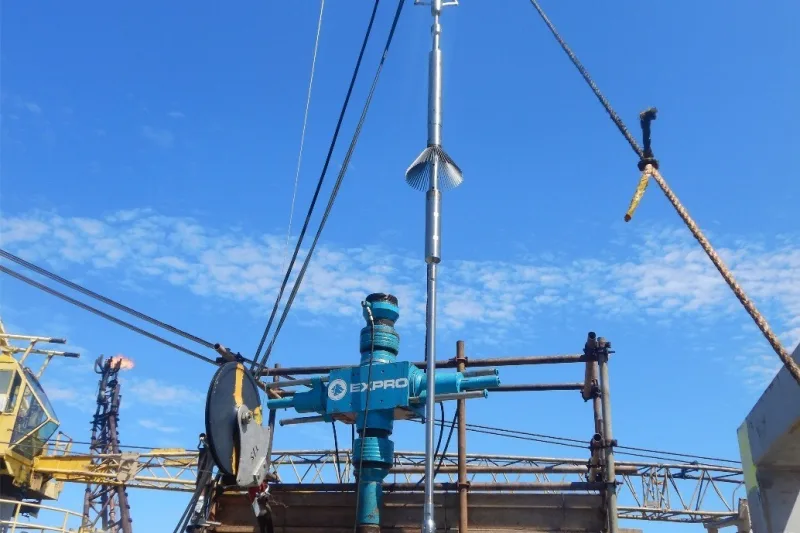
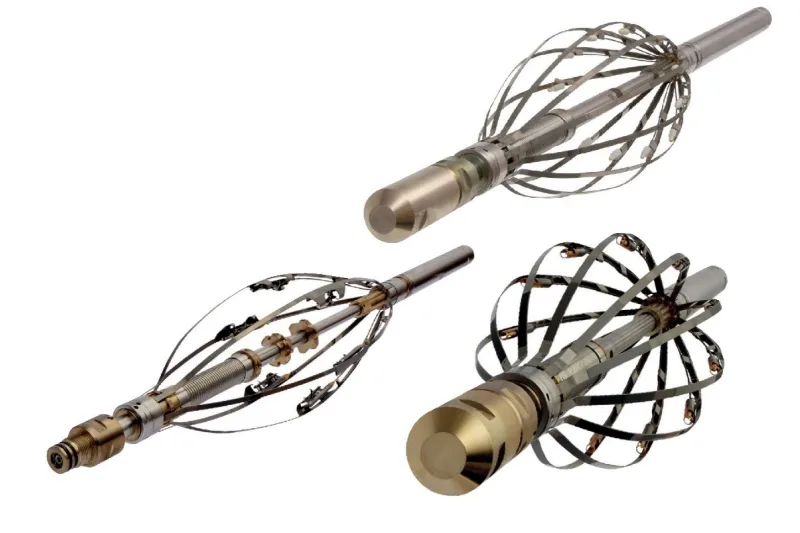
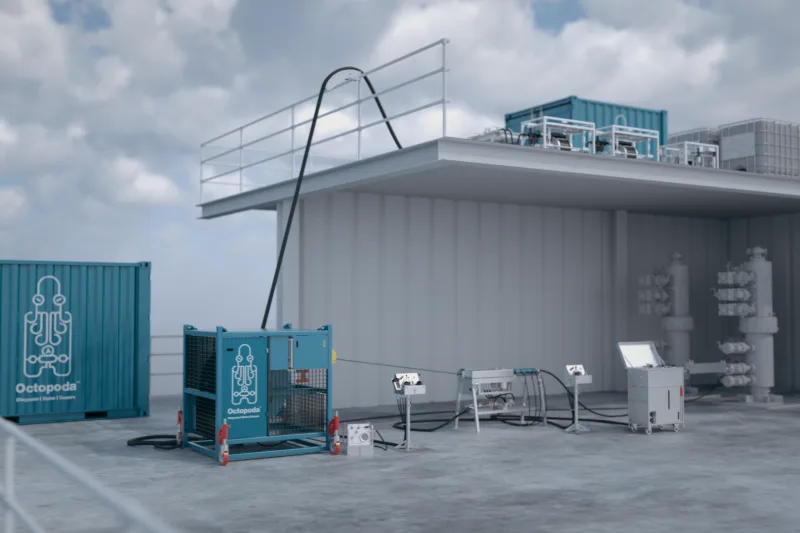
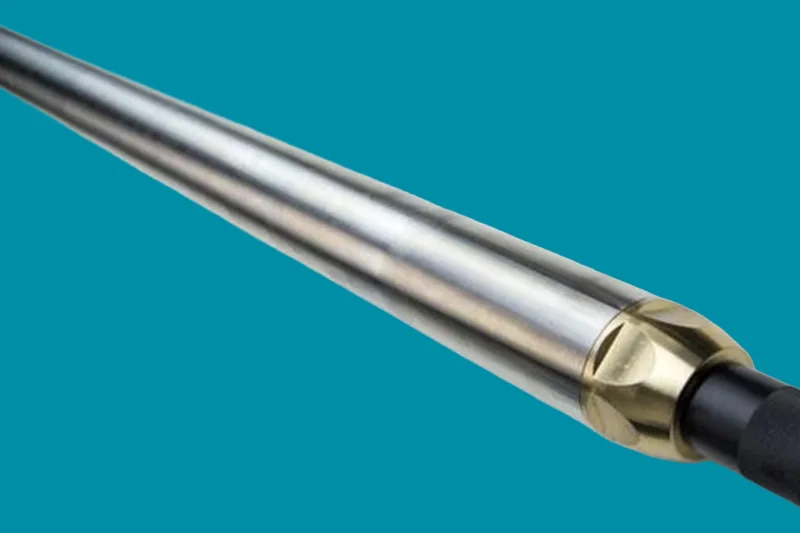
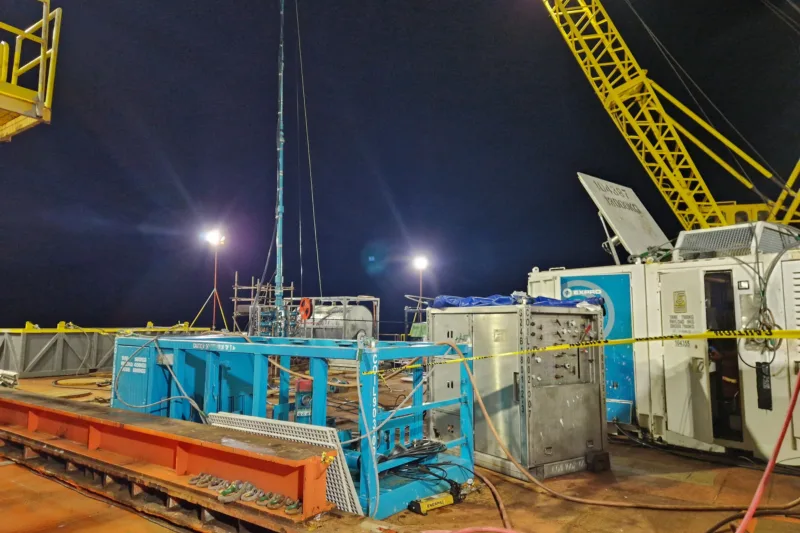
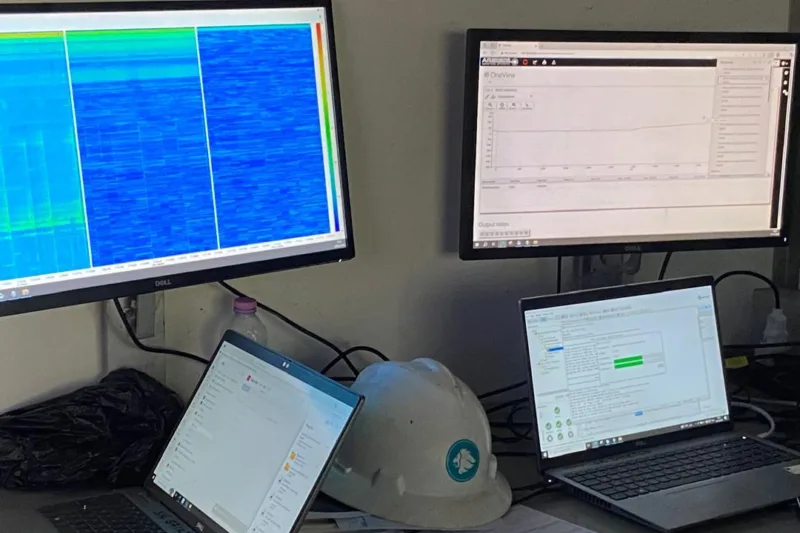
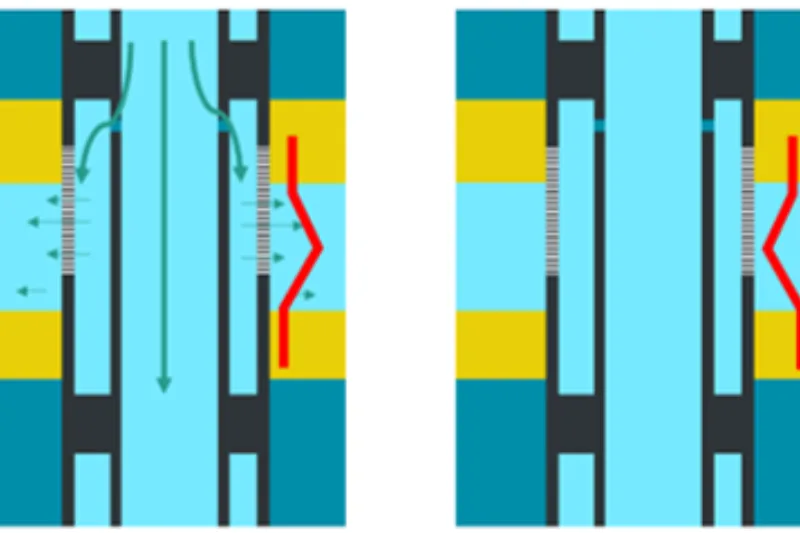
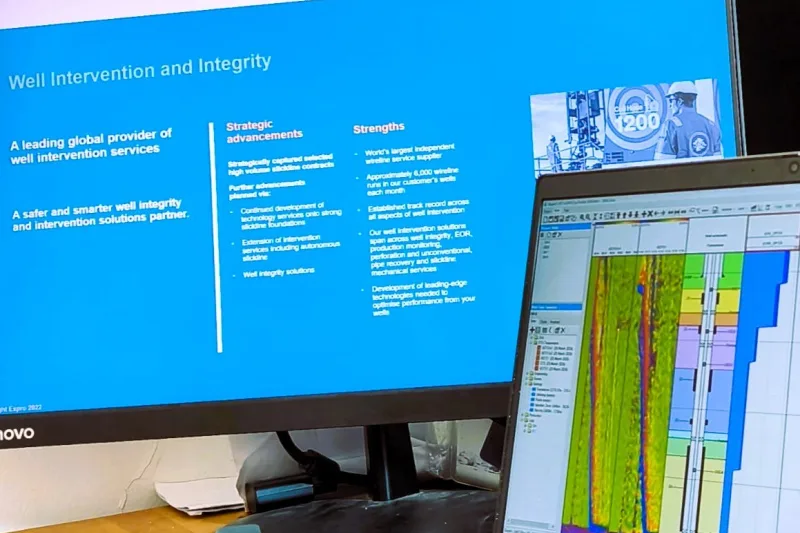
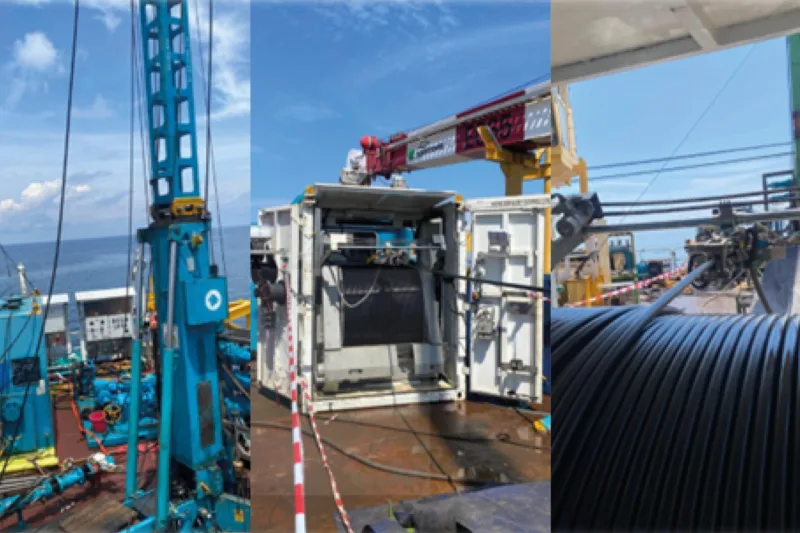
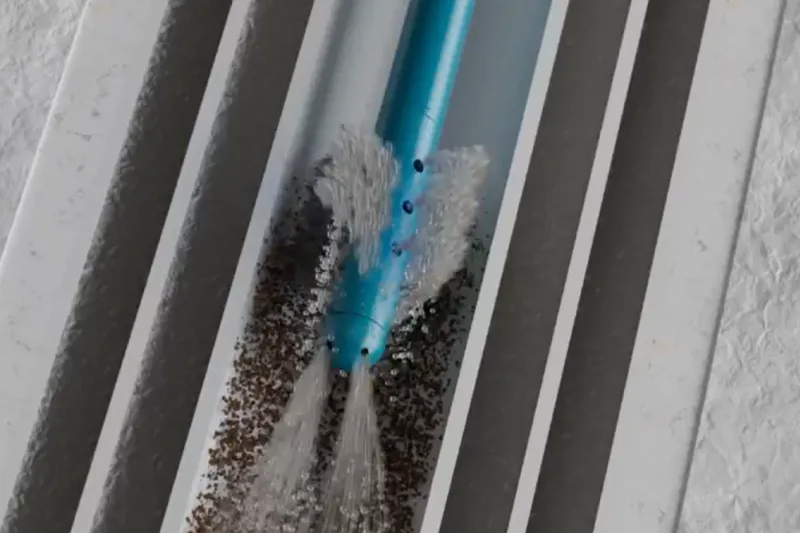
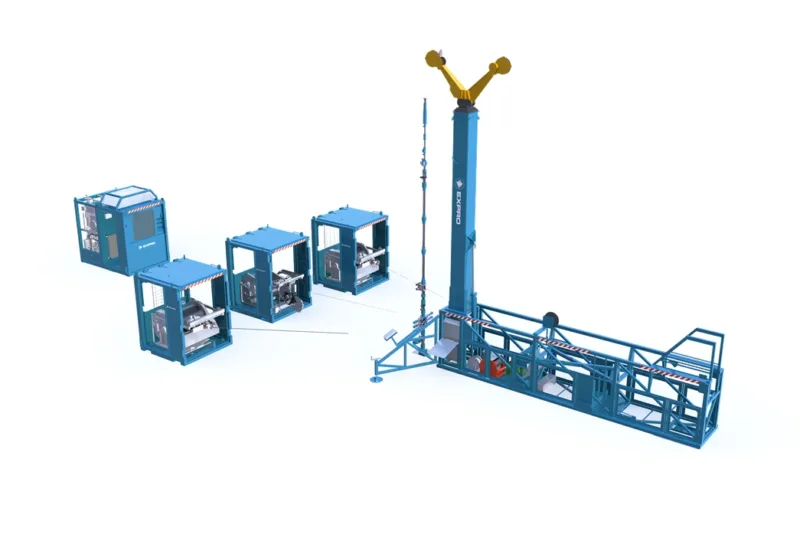
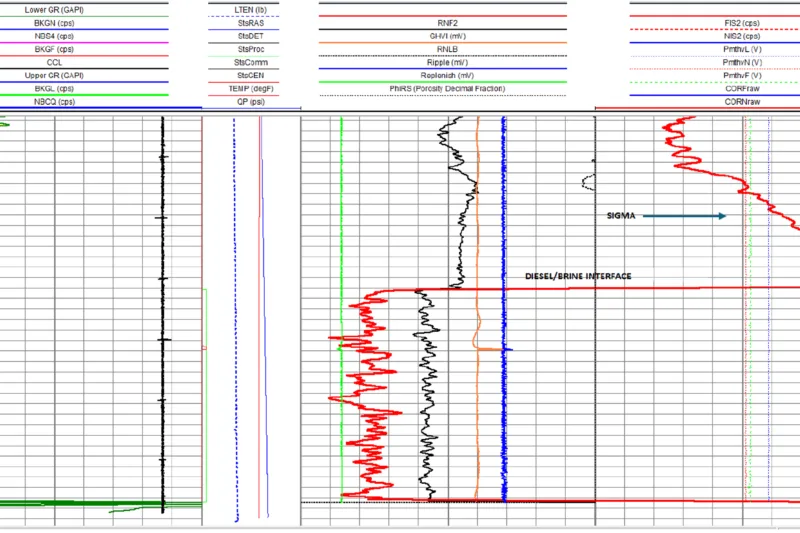
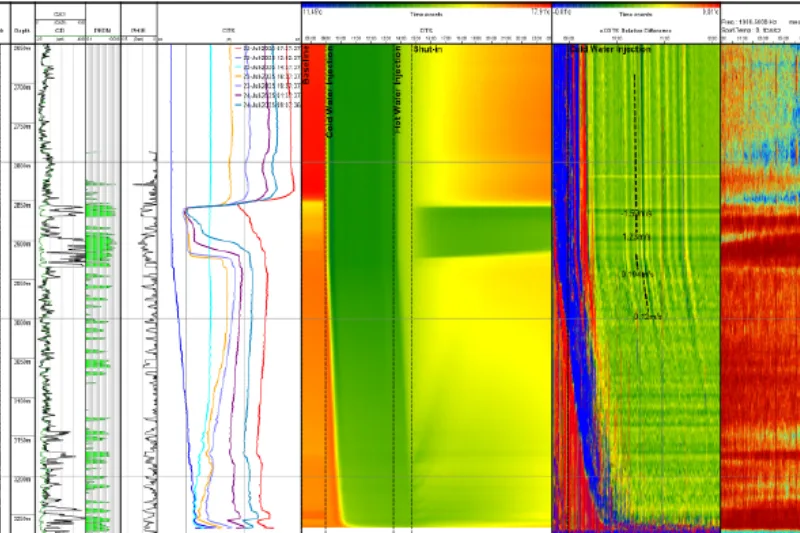
- Expro deployed an integrated well integrity evaluation combining Multi-Finger Caliper (MFC), Magnetic Thickness Detector (MTD), Cement Bond Logs (CBL/RBT), and temperature measurements in a single logging run. This enabled a complete assessment of casing geometry, wall thickness, fluid movement, and cement quality
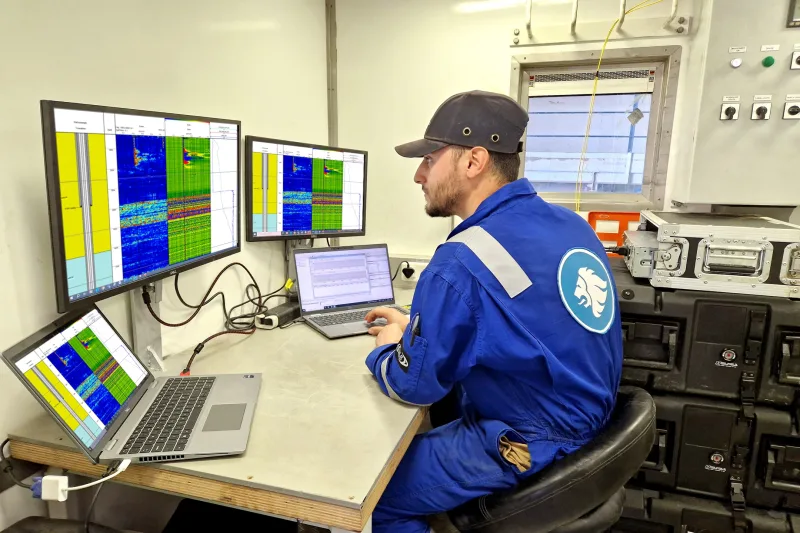
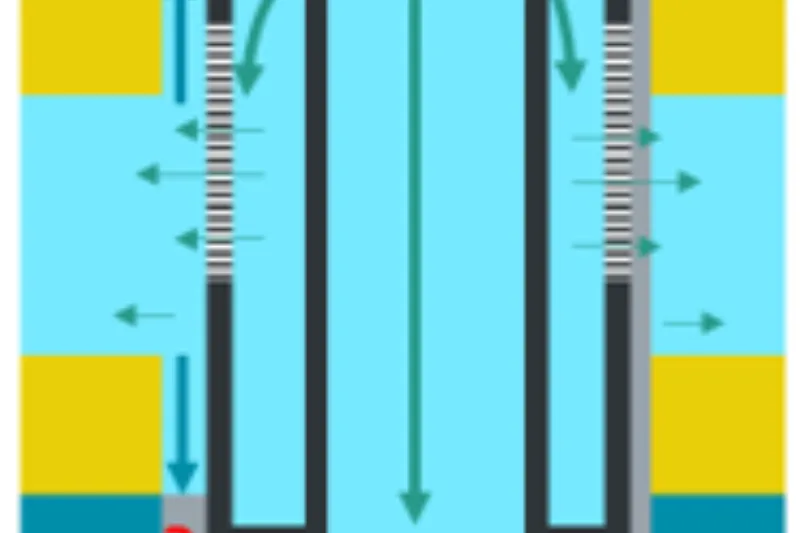
- By correlating data from multiple technologies, Expro successfully distinguished between internal and external corrosion mechanisms. The analysis identified internal corrosion, pitting, localized holes, and deformation along the casing, while also revealing a critical interval (1615–1675 ft) where severe external corrosion and metal loss of up to 28.62% existed despite the internal casing wall appearing intact. Poor cement bonding and fluid movement were also identified as contributors to the external corrosion
Value to Client
- Expro delivered a comprehensive understanding of casing integrity through a single, integrated logging operation
- Identified critical external corrosion that would not have been detected using caliper measurements alone
- Enabled clear differentiation between internal corrosion, external corrosion, and mechanical deformation. Provided actionable data for targeted remediation, integrity management, and maintenance planning
- Reduced operational risk by identifying a potentially serious casing integrity threat before failure occurred. Improved confidence in decision making, helping extend asset life and optimize intervention costs
Contact
For further information, please contact wellintervention@expro.com.