Customer Challenges
- A mature field in Southeast Brazil faced significant uncertainty regarding current reservoir saturation and remaining hydrocarbon potential. The well had become inactive and marginally uneconomic after years of production
- The operator aimed to identify viable opportunities for reactivation through reperforation and reservoir re-evaluation. However, conventional open hole petrophysical interpretation presented considerable uncertainty due to:
- Mixed carbonate–clastic depositional environments
- Complex geology, including calcarenite platform deposits interbedded with fluvial sandstones and shales
- Presence of low-resistivity formations
- Potential reservoir depletion from offset well production
- To proceed with confidence, the operator required a reliable method to evaluate reservoir saturation and accurately identify remaining hydrocarbon-bearing intervals and potential bypassed pay zones
Expro Excellence
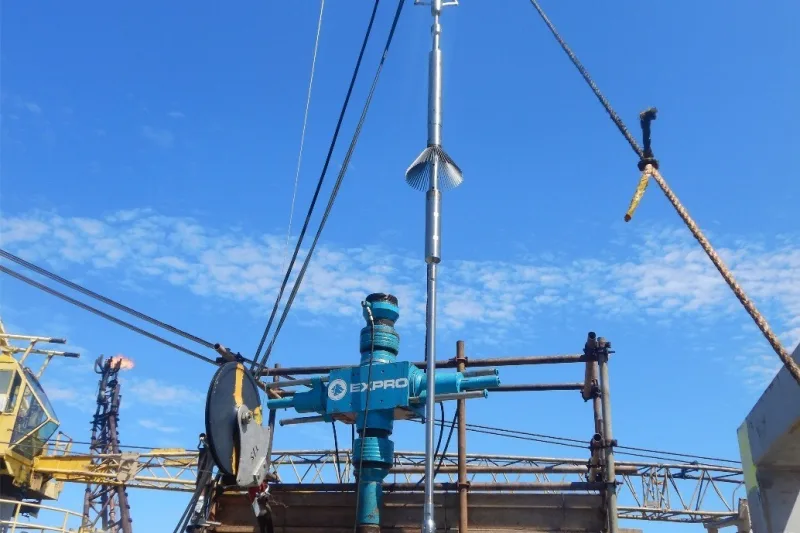
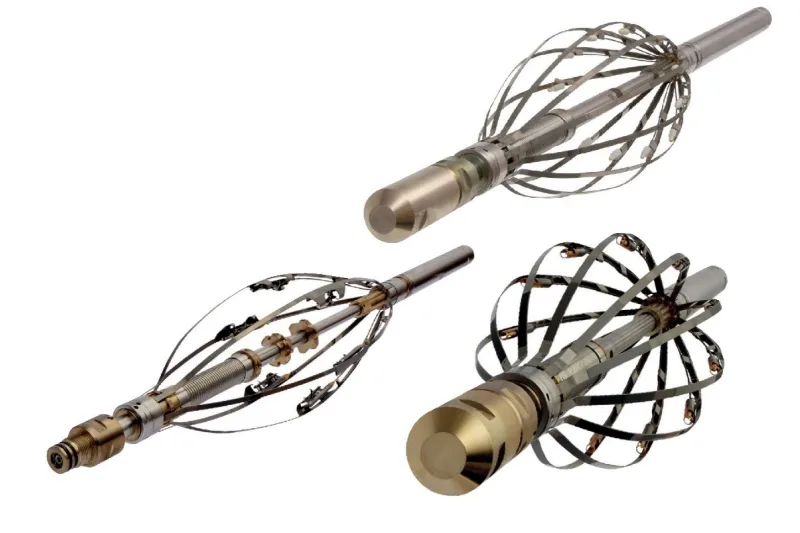
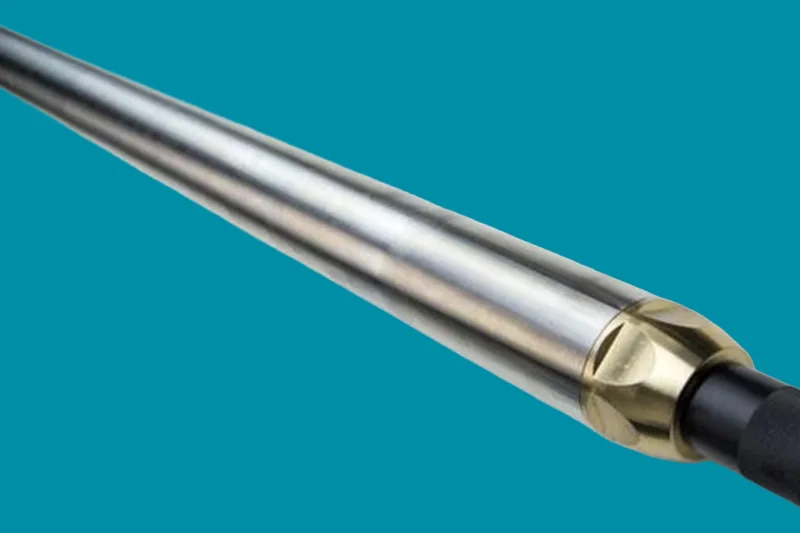
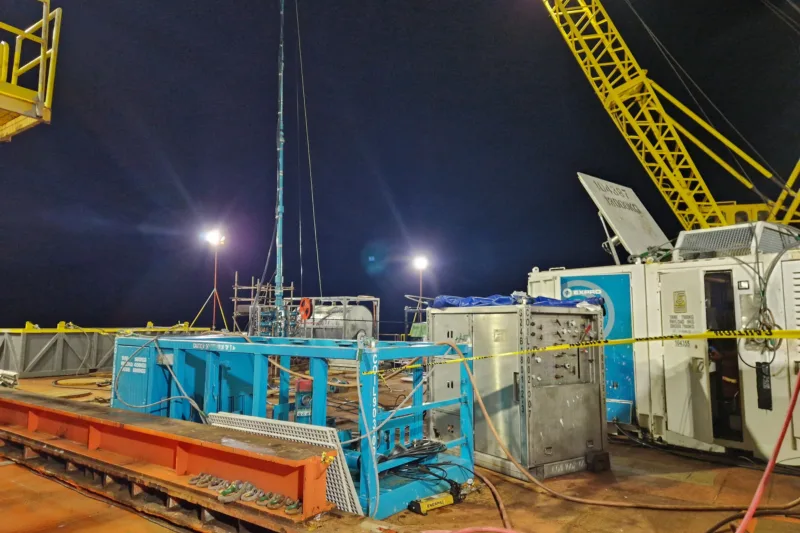
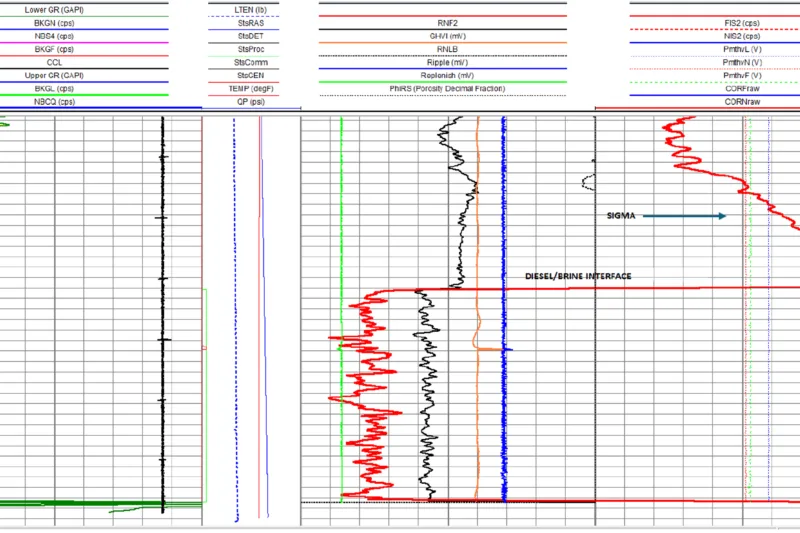
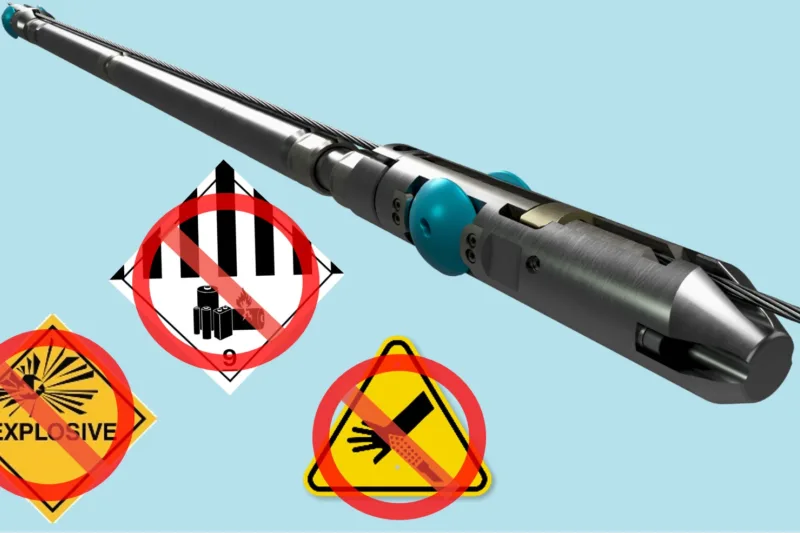
- Expro deployed the Reservoir Analysis Sonde (RAS) using both:
- Sigma mode •
- Carbon/Oxygen (C/O) mode
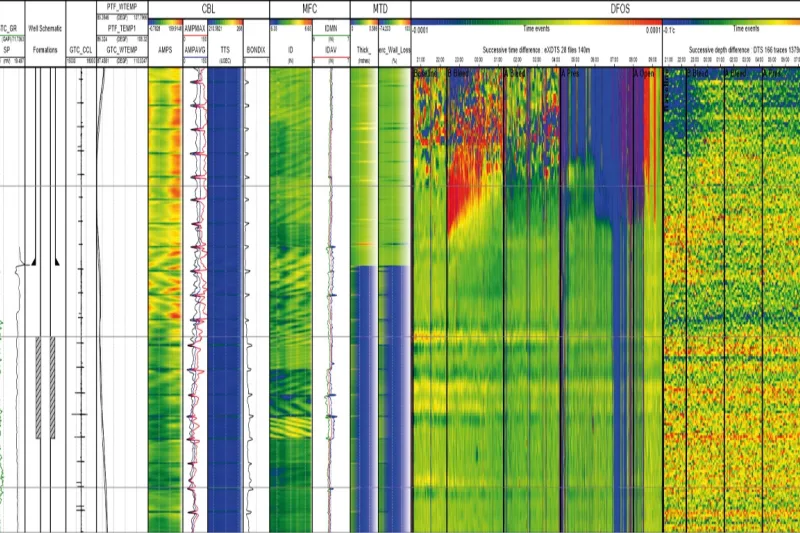
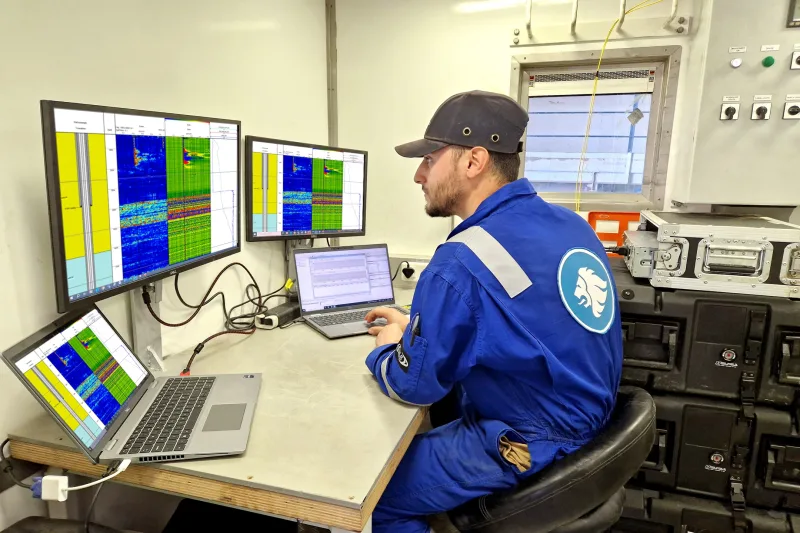
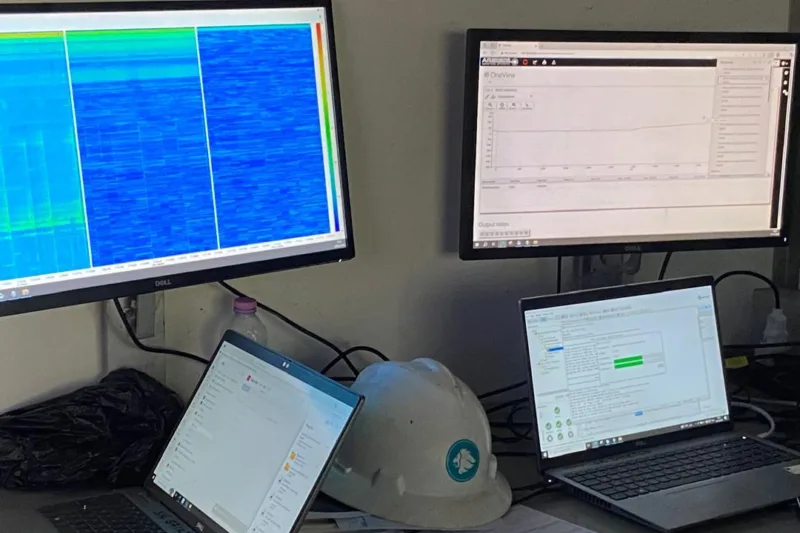
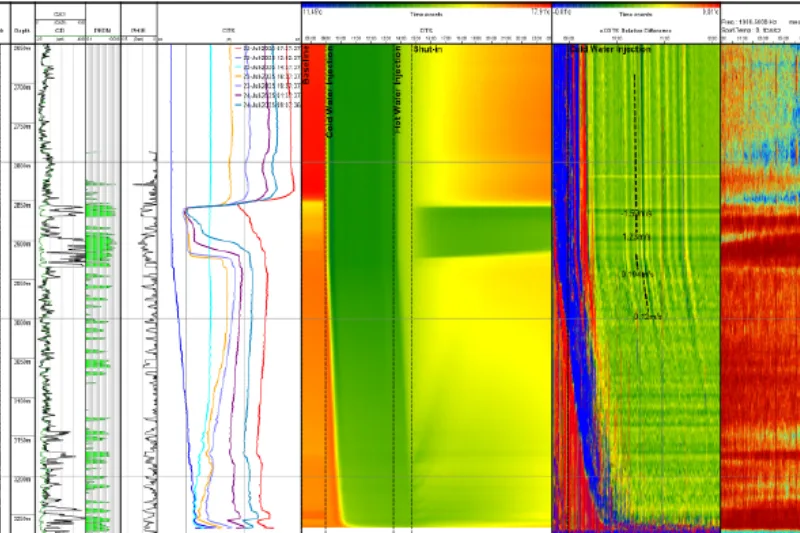
- An integrated interpretation workflow was executed through Expro’s QikView platform, combining multiple data sources: •
- Pulsed neutron measurements
- Fluid phase saturation analysis (Sigma & C/O)
- Gas saturation evaluation using near to-long burst ratios
- Open hole petrophysical data
- Geological and reservoir insights
- Despite the complex lithological environment, the integrated approach successfully distinguished lithology effects from movable hydrocarbons, enabling identification of intervals with the highest production potential
- The logging operation was conducted safely and efficiently, delivering high-quality data with excellent repeatability across the entire interval
- Close collaboration with the client’s subsurface team ensured seamless integration of interpretation results with geological and production data, supporting informed decision-making for reperforation
- Expro acknowledges the client’s support and engagement, which were instrumental in achieving a successful outcome and maximizing the value of the integrated reservoir evaluation
Value to Client
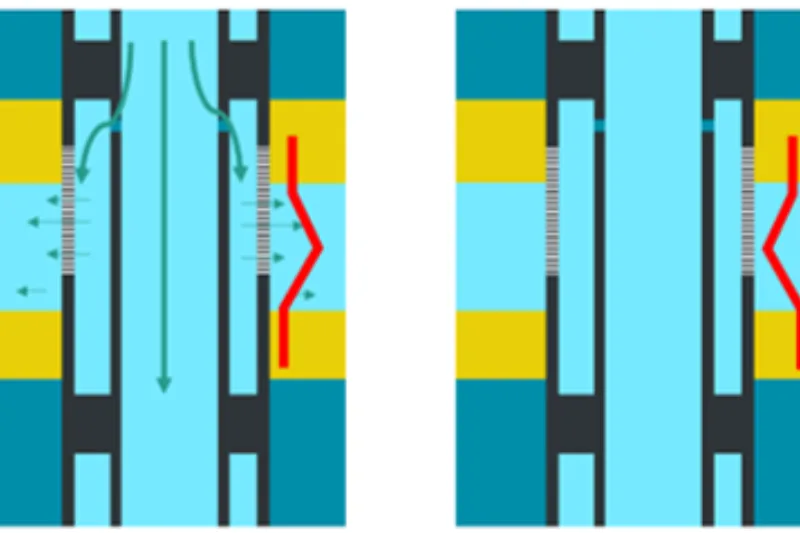
- Based on the integrated interpretation, the operator perforated the zones identified as having the best production potential • Subsequent production testing confirmed:
- Successful return of oil with minor gas
- Validation of the interpretation methodology
- Presence of bypassed hydrocarbons within the mature field
- These actions collectively reduced uncertainty in reservoir reactivation decisions, enabled the restoration of production from a previously inactive well, identified remaining hydrocarbon potential in a mature brownfield asset, and increased confidence for future field-wide re-evaluation campaigns
Contact
For further information, please contact wellintervention@expro.com.