Customer Challenges
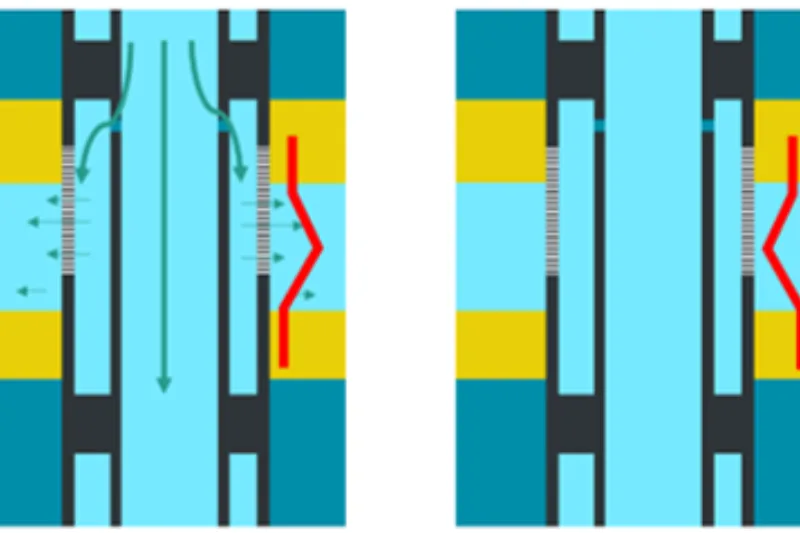
- An offshore operator in the Middle East identified sustained casing pressure (SCP) in the C annulus following difficulties during the 13⅜” Stage 2 cement job, where zonal isolation was not achieved
- Sustained Casing Pressure remediation was required before the well could be safely handed over to the production team
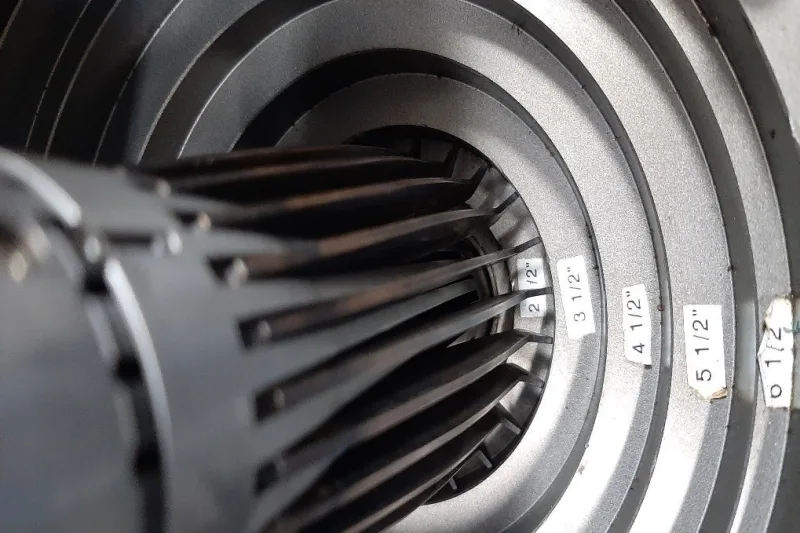
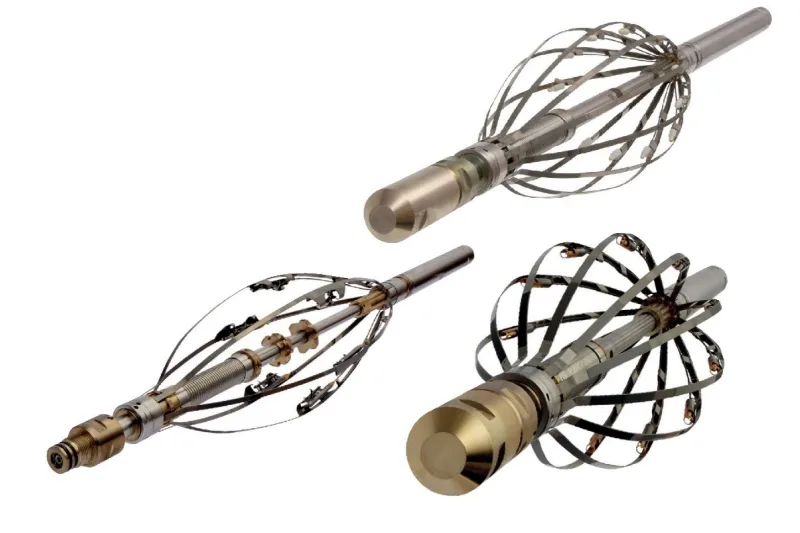
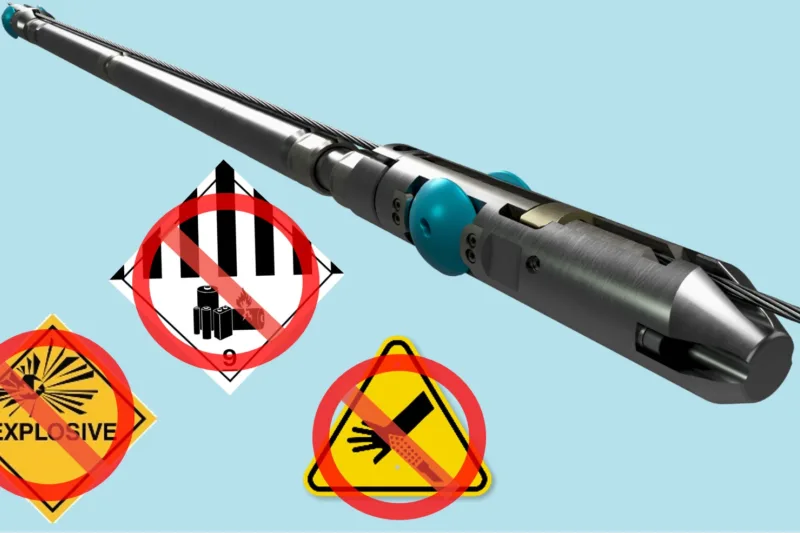
- An annulus sealing material was considered but ruled out due to insufficient annulus injectivity, preventing effective placement into the micro-annulus. The well also presented a significant mechanical constraint, with multiple bow spring centralisers creating a restricted annulus access profile and increasing deployment risk
Expro Excellence
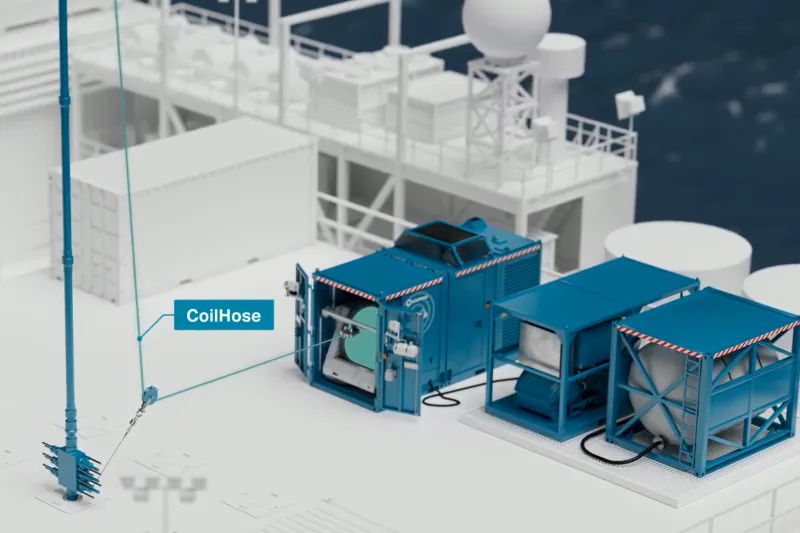
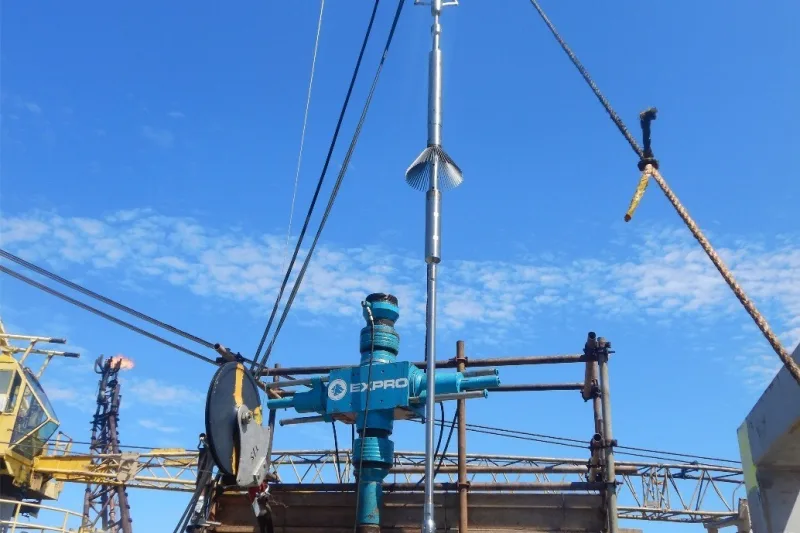
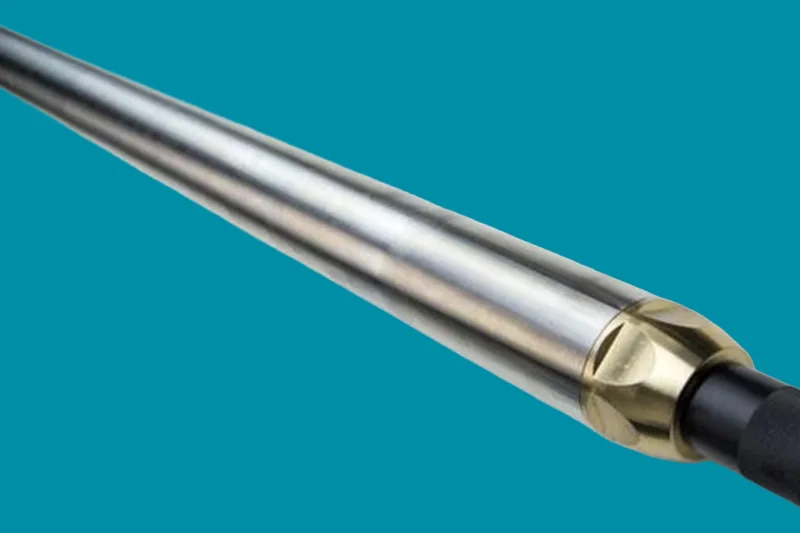
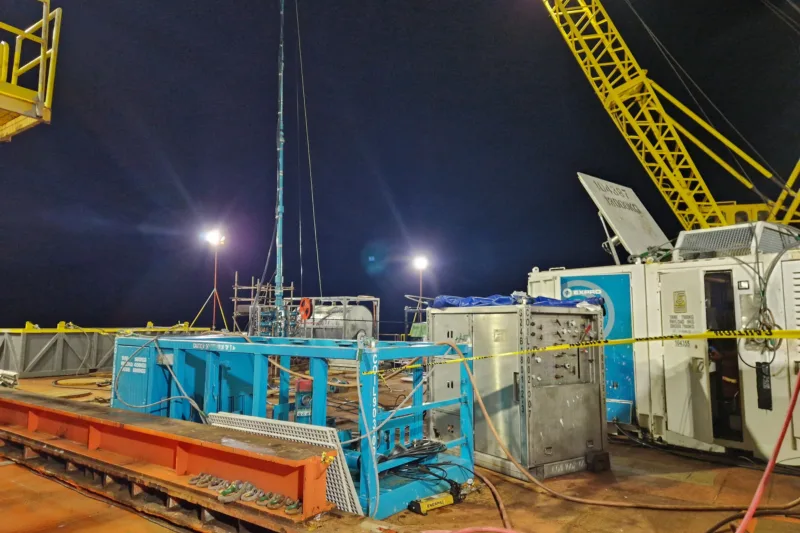
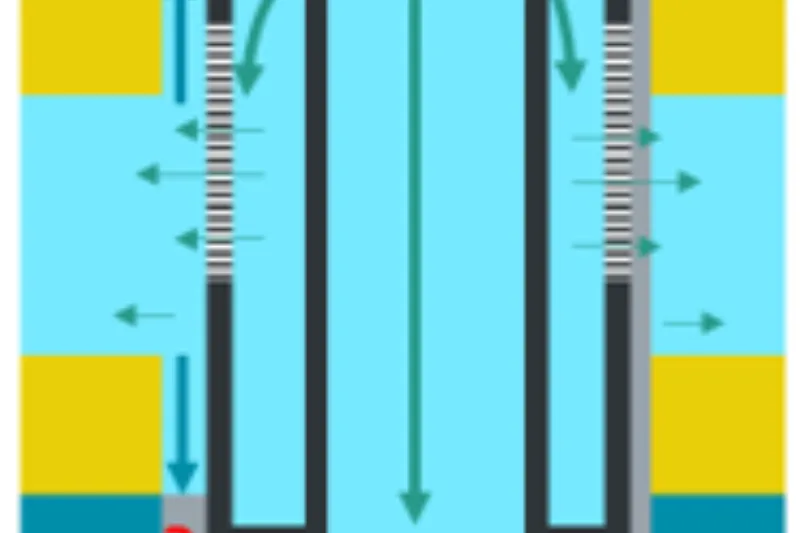
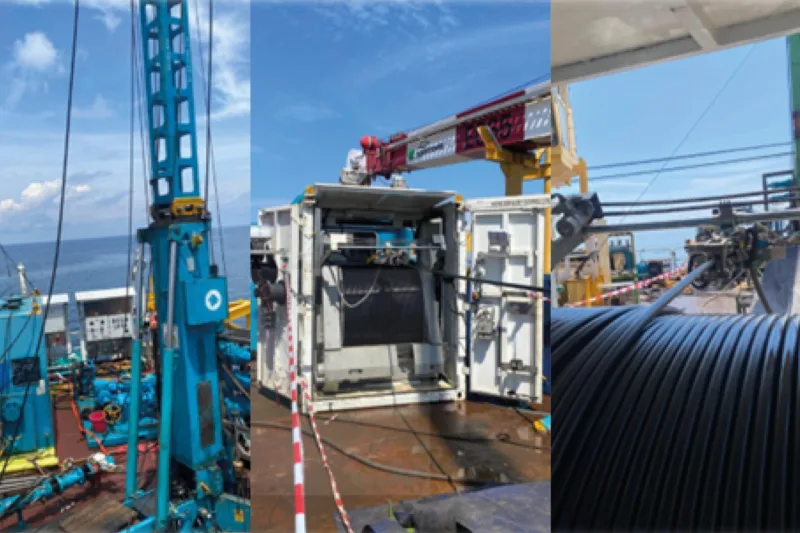
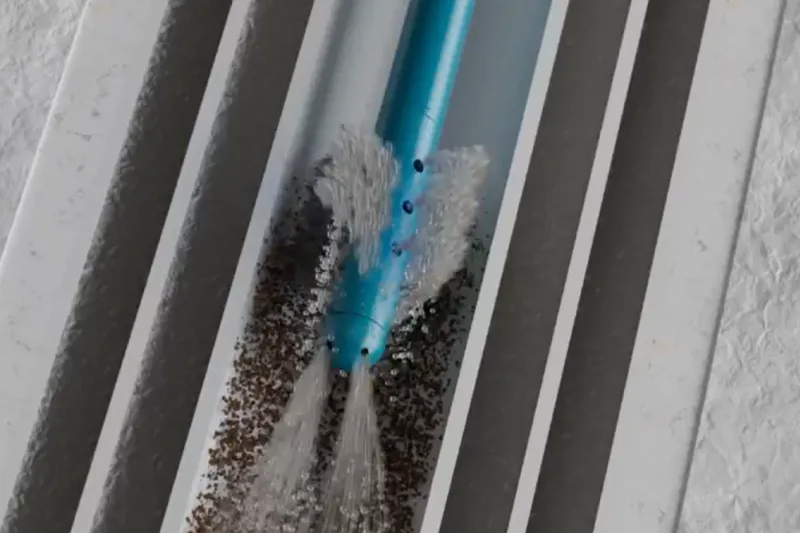
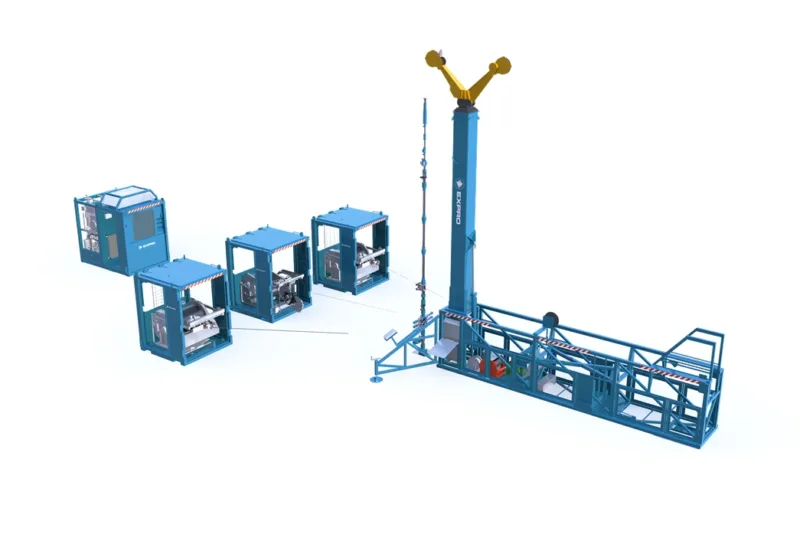
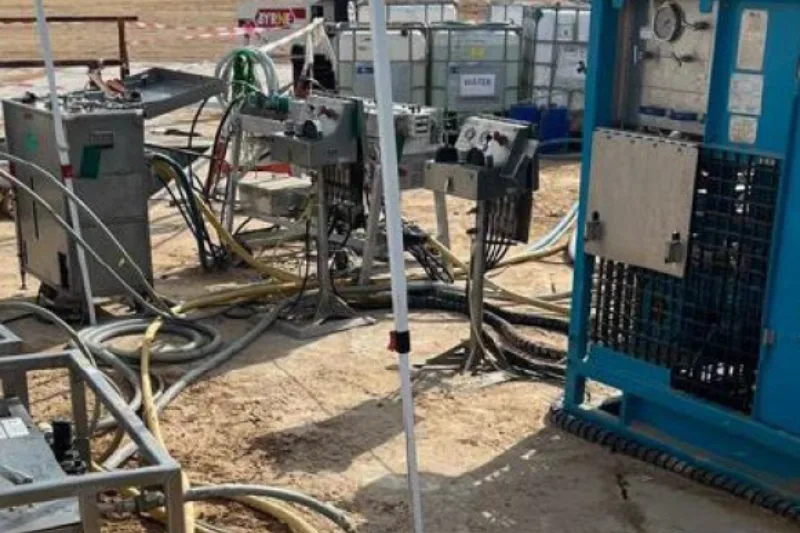
- The Octopoda® 11.5 mm OD hose was successfully deployed into the C annulus, passing 11 bow spring centralisers and reaching a circulating depth of 249 ft. Circulation was established at depth without annulus pressure cycling, enabling controlled placement of calcium chloride (CaCl₂) brine into the annular fluid column
- A brine density above the required kill weight was deliberately selected to overbalance the source formation. This leveraged in-situ dilution Value to the client
- Restored well integrity: Sustained casing pressure in the C annulus was eliminated by re-establishing hydrostatic overbalance, enabling safe handover to production. Efficient remediation: Circulating kill fluid from depth reduced required fluid volumes and shortened the intervention timeline, providing a viable intervention solution where low injectivity ruled out resin-based isolation methods and miscibility with the existing annulus fluids to maintain effective overbalance at the achieved circulation depth
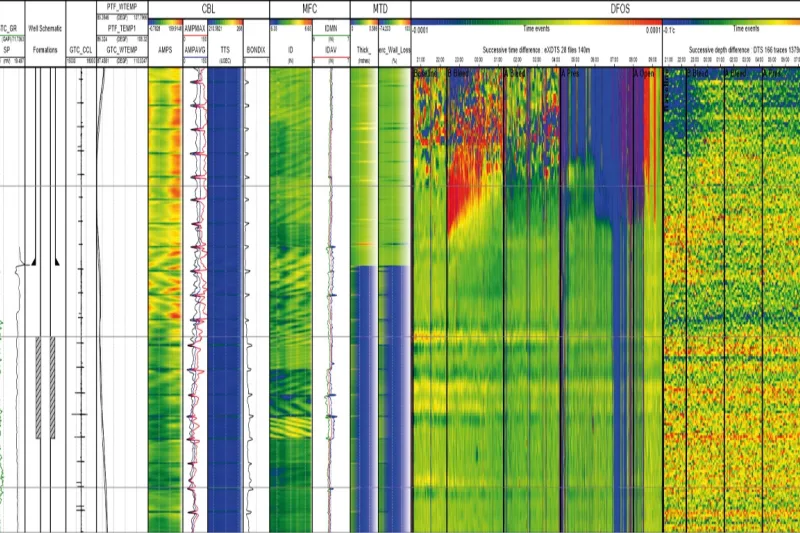
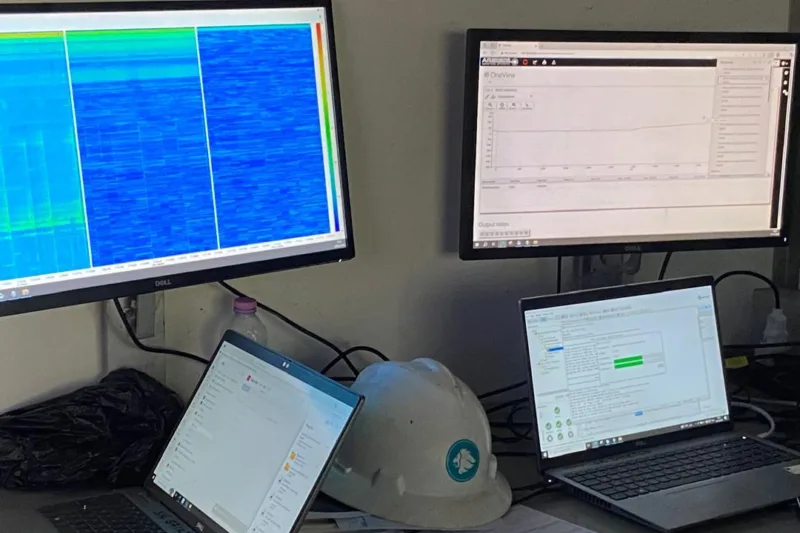
- A total of 69 bbl of CaCl₂ brine was circulated in stages over approximately 24 hours, avoiding repeated high pressure annulus cycles. Intermittent shut-in periods totalling 2.5 days were then used to monitor pressure response, confirming elimination of the initial 106 psi SCP
Value to Client
- Restored well integrity: Sustained casing pressure in the C annulus was eliminated by re-establishing hydrostatic overbalance, enabling safe handover to production
- Efficient remediation: Circulating kill fluid from depth reduced required fluid volumes and shortened the intervention timeline, providing a viable intervention solution where low injectivity ruled out resin-based isolation methods
- Reliable deployment in constrained geometry: The Octopoda® hose successfully navigated a complex annulus environment with 11 bow spring centralisers, providing a low risk, efficient alternative to lubricate and-bleed techniques
Contact
For further information, please contact wellintervention@expro.com.